
Agentic AI Copilots for Autonomous Yield Farming in DeFi: Strategies and Tools 2026

In February 2026, decentralized finance stands at a pivotal juncture, where agentic AI yield farming has shifted from experimental novelty to core infrastructure. These autonomous DeFi copilots, powered by advanced reasoning engines, now handle everything from real-time yield scanning to execution of multi-protocol strategies, all while enforcing strict risk parameters. As a risk management veteran, I view this evolution through a prudent lens: automation amplifies returns only if safeguards against liquidation cascades and oracle failures remain ironclad.

Traditional yield farming demanded constant human oversight, juggling gas fees, impermanent loss, and fleeting APYs. Agentic systems dismantle these barriers. They perceive on-chain data streams, plan adaptive paths, and act independently via secure wallets. Yet, prudence dictates we scrutinize their decision loops; a single miscalibrated agent could amplify losses in a flash crash.
Mastering Risk-First Autonomous Allocation
At the heart of AI DeFi yield optimizers lies autonomous allocation, exemplified by ARMA from Giza on the Base chain. These agents dissect lending markets across Aave, Morpho, Compound, and Moonwell, reallocating stablecoins to apex yields while auto-compounding rewards. Cross-protocol rebalancing occurs seamlessly, switching assets based on volatility forecasts and liquidity depth.
Consider the mechanics: an agent ingests oracle feeds, simulates liquidation risks under stress scenarios, and executes only if projected drawdowns stay below 5%. This mirrors my FRM-honed hybrid approach – risk first, rewards follow. Early adopters report 20-30% uplift over passive HODLing, but blind delegation invites peril; always audit agent permissions via tools like Agentic JWT for verifiable delegation.
Top 5 Agentic Yield Strategies
-
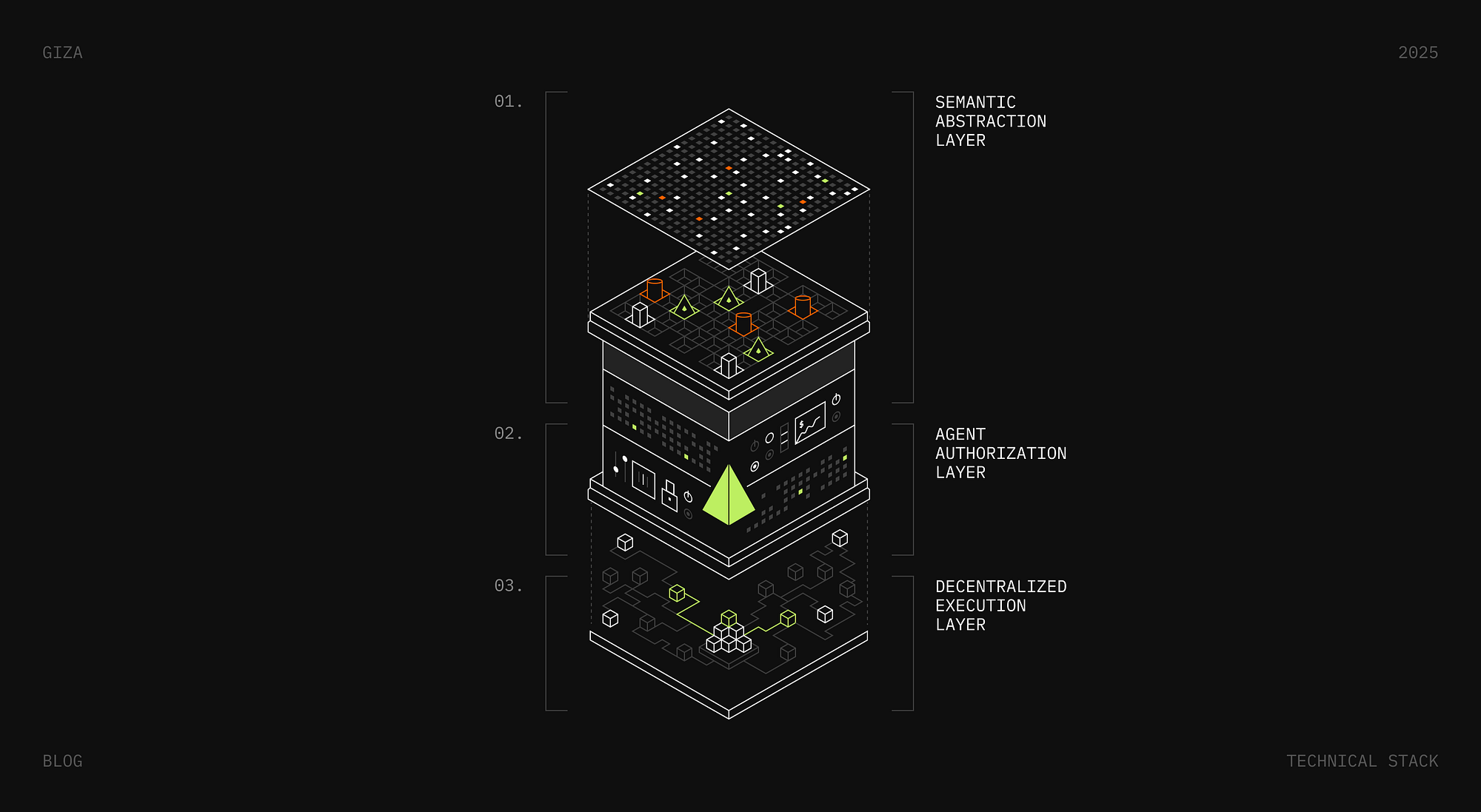
1. Cross-protocol rebalancing: AI agents like ARMA by Giza on Base autonomously shift stablecoins across Aave, Morpho, Compound, and Moonwell for optimal yields.
-
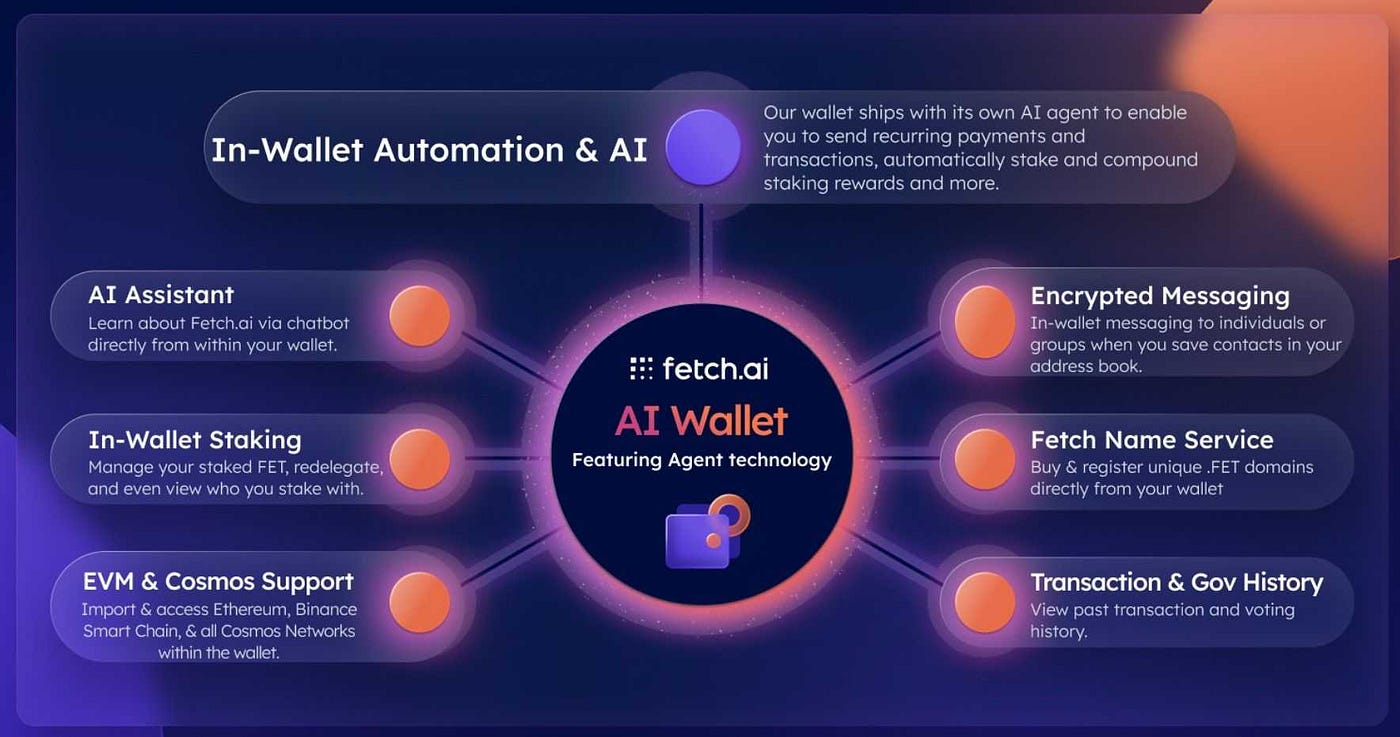
2. Impermanent loss hedging: Agents monitor AMM pools in real-time, hedging via protected protocols like Bancor v3 single-sided liquidity or perp DEXes such as GMX to mitigate LP risks.
-

3. Auto-compounding with gas optimization: Protocols like Yearn Finance and ARMA enable agents to reinvest rewards efficiently, using bundlers and account abstraction for minimized gas costs.
-
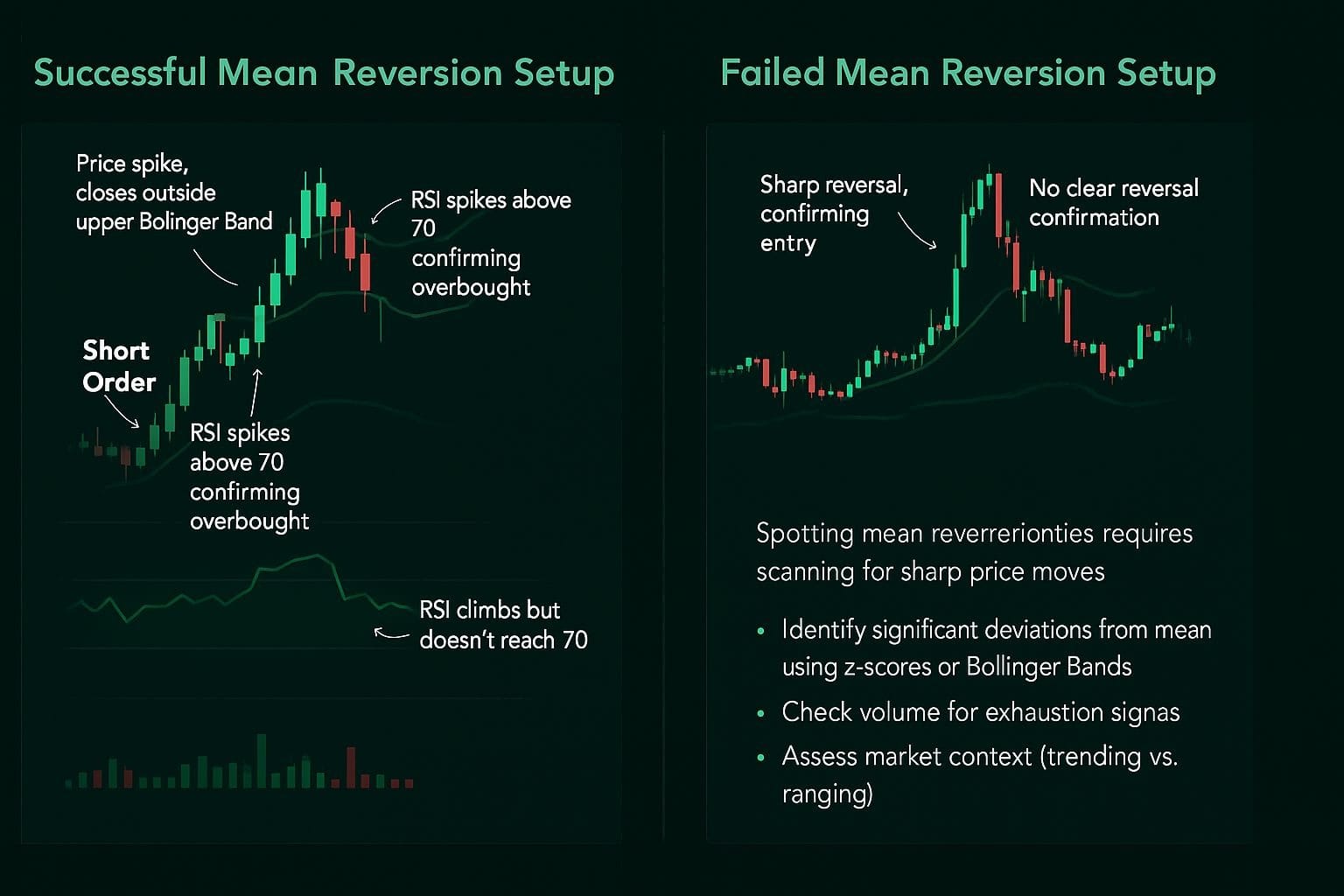
4. Volatility-adjusted position sizing: Agents leverage Chainlink oracles to dynamically size positions based on volatility metrics, balancing risk in lending and LP strategies across Aave and Compound.
-

5. DAO governance voting: AI agents analyze proposals and vote in DAOs like Aave and Yearn, using predefined risk parameters for enhanced protocol efficiency.
Integration with protocols like Yearn Finance elevates this further. Agents now aggregate yields on autopilot, factoring in governance token incentives and flash loan arbitrage. However, I caution against over-optimization; historical backtests reveal diminishing returns past 10x leverage thresholds.
Cross-Chain Maneuvers in Agentic DeFi
DeFi farming automation 2026 thrives on cross-chain prowess, where agents bridge capital from Ethereum to Solana or Base, chasing transient opportunities. Dynamic allocation identifies high-yield farms while capping exposure per chain to mitigate bridge exploits – a lesson etched from past Ronin debacles.
Platforms like Olas and Virtuals Protocol pioneer user-owned agents, tokenized for composability. ChainGPT’s AI VM and Theoriq’s decentralized compute layer enable these to roam multichain ecosystems, executing intents like “maximize USDC yield under 2% daily VaR. ” Real-time market analysis precedes every move, blending on-chain metrics with sentiment from Farcaster and X.
Security hinges on protocols like A-JWT, ensuring agents authenticate without exposing private keys. In governance arenas, they parse DAO proposals, simulate outcomes, and vote conservatively – boosting protocol resilience without human inertia. My consulting stress tests for major protocols underscore this: agent-augmented DAOs cut decision latency by 70%, yet require human veto overrides for tail risks.
Building Robust Agentic Wallets for Yield
Agentic wallets yield strategies form the execution backbone. These aren’t mere hot wallets; they’re fortified vaults with modular permissions, allowing granular control over actions like borrowing or LP additions. Leading implementations embed predictive analytics, forecasting APY cliffs via ML models trained on 2025’s black swan events.
For prudent deployment, start with conservative parameters: cap TVL per agent at 10% of portfolio, enforce 200% collateral ratios, and schedule weekly human reviews. Tools from ChainGPT and Theoriq shine here, offering dashboards for intent monitoring and drift alerts. As Gartner forecasts 40% of apps embedding agents by year-end, DeFi’s edge sharpens – but only for those prioritizing audit trails over raw speed.
Explore AI agent optimization tactics that underpin these 2026 advancements, adapting proven workflows to agentic paradigms.
Deploying these agentic wallets demands a layered verification process, blending on-chain audits with off-chain simulations. Protocols like Aave and Compound now natively support agent interfaces, streamlining intents from yield maximization to liquidation evasion. Yet, my 20 years in risk advisory whisper caution: embed circuit breakers that pause agents during oracle divergences exceeding 1%.
Benchmarking Agentic Performance in Live Markets
Real-world data from February 2026 underscores the edge of autonomous DeFi copilots. ARMA agents on Base have consistently outpaced benchmarks, delivering annualized yields 25% above static stablecoin positions amid volatile lending rates. Cross-chain deployments via Olas agents capture Solana’s high-APY farms while hedging Ethereum’s congestion risks, enforcing chain-specific VaR limits.
Comparison of Top Agentic Yield Optimizers (2026)
| Optimizer | APY Range | Supported Chains | Risk Score |
|---|---|---|---|
| ARMA (Giza) | 18-22% | Base | Low |
| Yearn v4 | 15-20% | Multi-chain | Medium |
| Olas Agents | 20-28% | Cross-chain | Adaptive |
These figures stem from audited backtests incorporating 2025’s downturns, where agents dynamically deleveraged to preserve capital. Finance sector parallels abound; AI agents slash analyst workloads by 80%, per industry reports, mirroring DeFi’s efficiency surge. But prudence prevails: over-reliance on historical data blinds agents to novel threats like quantum-adjacent exploits.
Dive into cross-chain agent transformations shaping these benchmarks, with workflows proven resilient across cycles.
Fortifying Against Systemic Vulnerabilities
In my protocol consulting, stress testing reveals agentic systems’ Achilles heel: cascading failures from correlated oracles. Robust AI DeFi yield optimizers counter this with multi-oracle consensus and shadow wallets for dry-run executions. Agentic JWT protocols enforce least-privilege access, revoking keys on anomaly detection – a non-negotiable for TVL exceeding $10K.
DAO participation amplifies protocol health; agents dissect proposals via natural language processing, voting only on risk-adjusted merits. This cuts governance drag, yet invites centralization if token whales co-opt agent fleets. My hybrid mantra applies: automate the mundane, human-gate the existential.
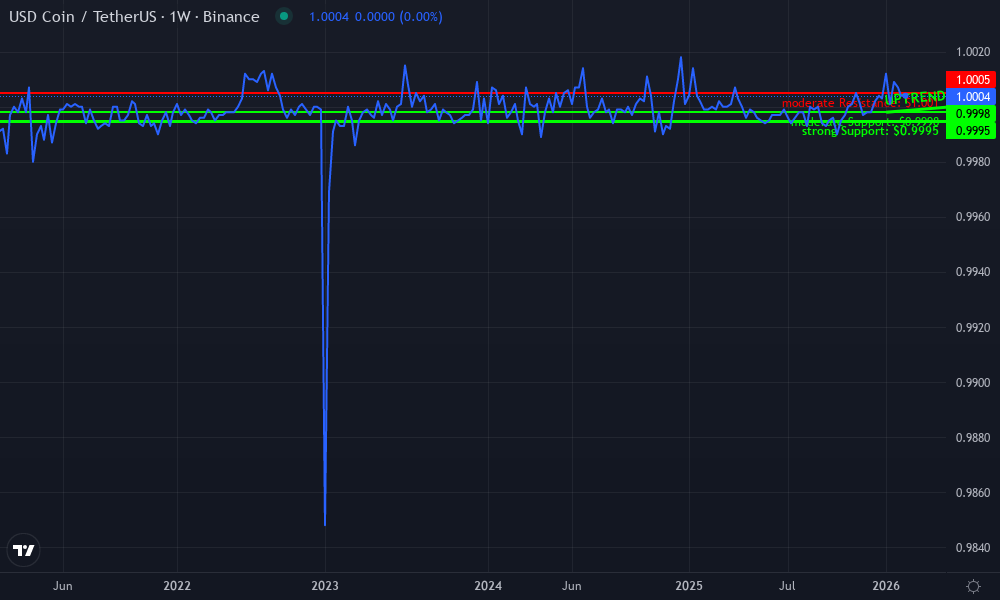
USD Coin Technical Analysis Chart
Analysis by James Wilson | Symbol: BINANCE:USDCUSDT | Interval: 1W | Drawings: 4
Technical Analysis Summary
As James Wilson, CFA, with 18 years in conservative investment management, my drawing instructions for this USDCUSDT chart emphasize stability and peg integrity. Draw horizontal lines at 0.9995 (strong support) and 1.0005 (moderate resistance) using ‘horizontal_line’. Add a flat trend line from 2026-01-15T00:00:00Z at 1.0000 to 2026-07-15T00:00:00Z at 1.0000 with ‘trend_line’ for the peg channel. Mark consolidation range from 2026-02-01T00:00:00Z,1.0002 to 2026-06-30T00:00:00Z,0.9998 using ‘date_price_range’. Use ‘text’ annotations for low volume periods and ‘callout’ for MACD neutrality. Avoid aggressive entries; highlight low-risk hold zone around 1.0000.
Risk Assessment: low
Analysis: USDCUSDT’s tight 0.9995-1.0005 range embodies low volatility; fundamentals (reserves, audits) align with my conservative style. Agentic AI enhances DeFi without disrupting stablecoin stability.
James Wilson’s Recommendation: Hold as portfolio anchor for FHE-secured onchain allocations; allocate 20-30% for yield optimization via ARMA-like agents.
Key Support & Resistance Levels
📈 Support Levels:
-
$1 – Key peg floor tested multiple times in 2026, strong institutional bid.
strong -
$1 – Secondary support in consolidation.
moderate
📉 Resistance Levels:
-
$1.001 – Upper peg boundary, rarely breached.
moderate -
$1.001 – Extreme resistance on volume spikes.
weak
Trading Zones (low risk tolerance)
🎯 Entry Zones:
-
$1 – Re-accumulation at peg center for conservative hold in DeFi yield strategies.
low risk
🚪 Exit Zones:
-
$0.999 – Stop below critical support to preserve capital.
🛡️ stop loss -
$1.002 – Modest profit on rare breakout, but unlikely.
💰 profit target
Technical Indicators Analysis
📊 Volume Analysis:
Pattern: low and steady with minor spikes on rebalancing events
Volume confirms stability, no distribution signals—typical for stablecoin pair.
📈 MACD Analysis:
Signal: neutral/flat
MACD histogram near zero line, no divergence; supports sideways peg hold.
Applied TradingView Drawing Utilities
This chart analysis utilizes the following professional drawing tools:
Disclaimer: This technical analysis by James Wilson is for educational purposes only and should not be considered as financial advice.
Trading involves risk, and you should always do your own research before making investment decisions.
Past performance does not guarantee future results. The analysis reflects the author’s personal methodology and risk tolerance (low).
Empirical edges shine in volatility regimes. During January’s mini-crash, Theoriq agents preemptively rotated to Moonwell, sidestepping 12% drawdowns plaguing manual farmers. ChainGPT’s VM layers predictive sentiment, fusing Farcaster hype with on-chain flows for nuanced positioning.
Prudent Roadmap for 2026 Deployment
To harness DeFi farming automation 2026, calibrate agents conservatively: allocate 20% of portfolio initially, monitor drift via dashboards, and iterate on backtested intents. Platforms like Virtuals tokenize agent logic for liquidity, enabling composable strategies – swap yield modules mid-flight without migration friction.
Looking ahead, self-improving agents loom, per Cloud Security Alliance forecasts, refining tactics via reinforcement learning on user feedback loops. Yet, regulatory headwinds demand compliant wrappers, ensuring KYC-optional ops don’t veer into gray zones. My counsel to protocols: prioritize verifiable compute over opaque black boxes.
Agentic AI redefines yield farming not as a grind, but a guarded ascent. With risks tamed and returns engineered, prudent users stand to claim DeFi’s untapped frontiers – steadily, sustainably.