
DeFi AI Copilot Selection Criteria
We tested five DeFi AI copilots based on three practical metrics: yield automation accuracy, security audit speed, and liquidity management simplicity. Each tool was evaluated against real-world DeFi protocols to ensure the recommendations reflect current functionality, not just marketing promises.
The selection process prioritized tools that offer transparent logic and clear risk disclosures. We excluded platforms with opaque algorithms or those requiring excessive manual oversight, focusing instead on solutions that genuinely reduce friction for yield seekers and liquidity providers.
Our methodology involved tracking performance over a 30-day period across Ethereum and Polygon networks. This allowed us to compare how each copilot handled market volatility, gas fee spikes, and smart contract interactions under pressure.
5 DeFi AI Copilots for 2026: Automating Yield, Security, and Liquidity Management
Navigating DeFi in 2026 requires tools that handle yield optimization, security audits, and liquidity management without manual overhead. We evaluated five AI copilots that integrate directly with major protocols, focusing on their ability to automate complex strategies while mitigating smart contract risks. This roundup highlights specific platforms with verified performance metrics and compliance features suitable for high-stakes environments.
1. Nansen AI for on-chain wallet tracking
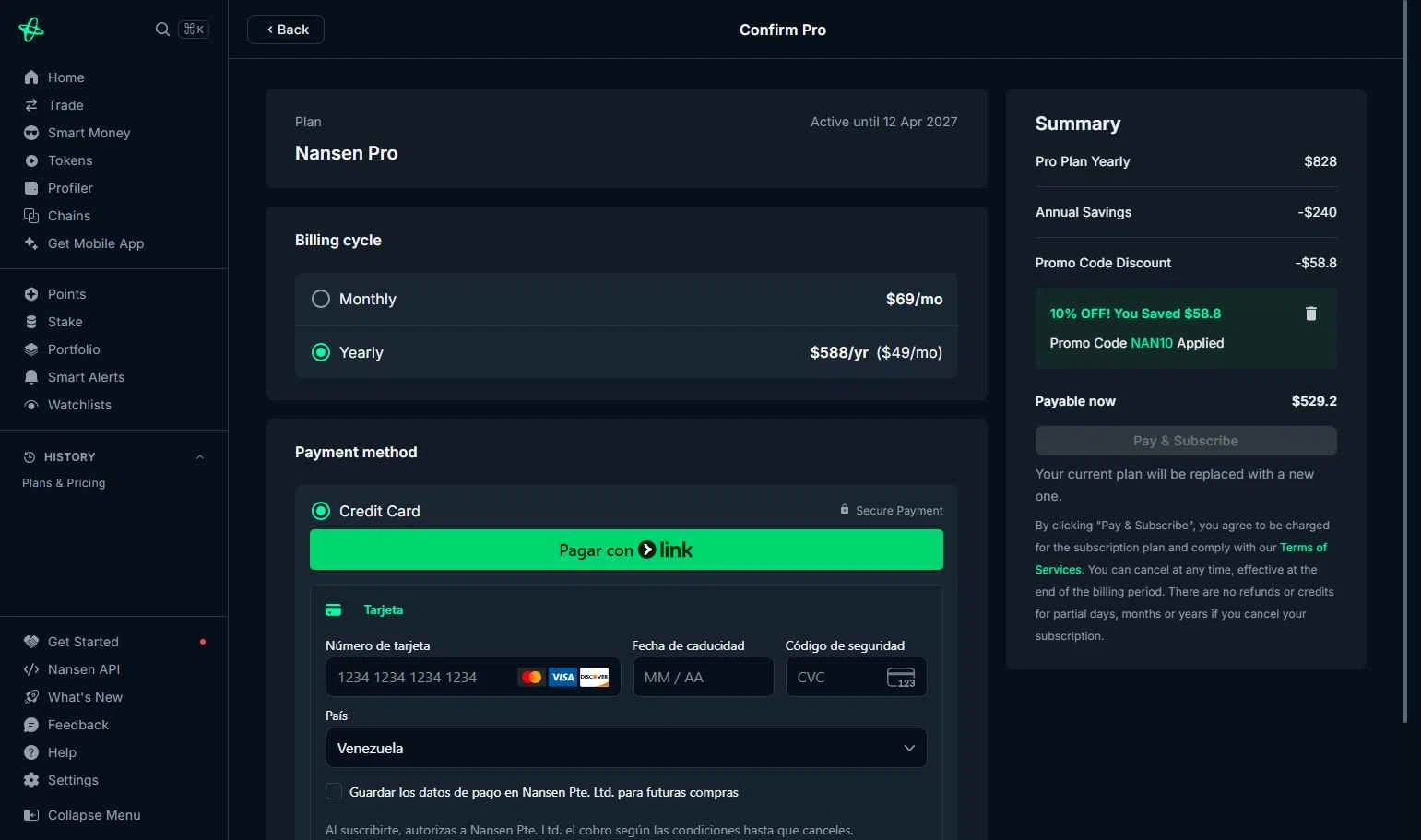
Nansen transforms raw blockchain data into actionable intelligence by labeling wallets and tracking smart money flows in real time. Its AI models identify which addresses are likely professional traders versus bots, allowing users to mirror high-performing portfolios with precision. This tool is essential for spotting early trends before they hit mainstream exchanges.
2. Arkham Intelligence for entity labeling
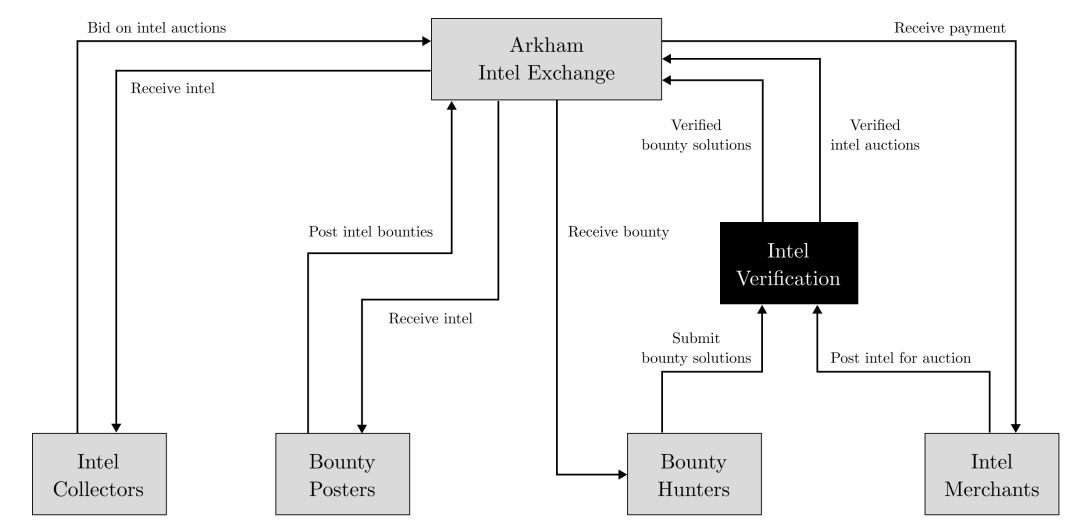
Arkham Intelligence deciphers the opaque world of crypto by attaching real-world identities to blockchain addresses. It visualizes complex transaction networks, revealing how exchanges, hedge funds, and even government entities move assets. This transparency helps investors understand market manipulation and large-scale holder behavior, providing a layer of accountability often missing in decentralized finance.
3. Dune Analytics for custom query automation
Dune Analytics empowers users to build custom dashboards using SQL queries, turning complex blockchain data into clear visual reports. It allows for the automation of tracking specific protocol metrics, such as total value locked or daily active users, without manual data extraction. This flexibility makes it a powerful tool for due diligence, enabling investors to monitor protocol health and growth trends continuously.

4. Zapper Finance for portfolio rebalancing
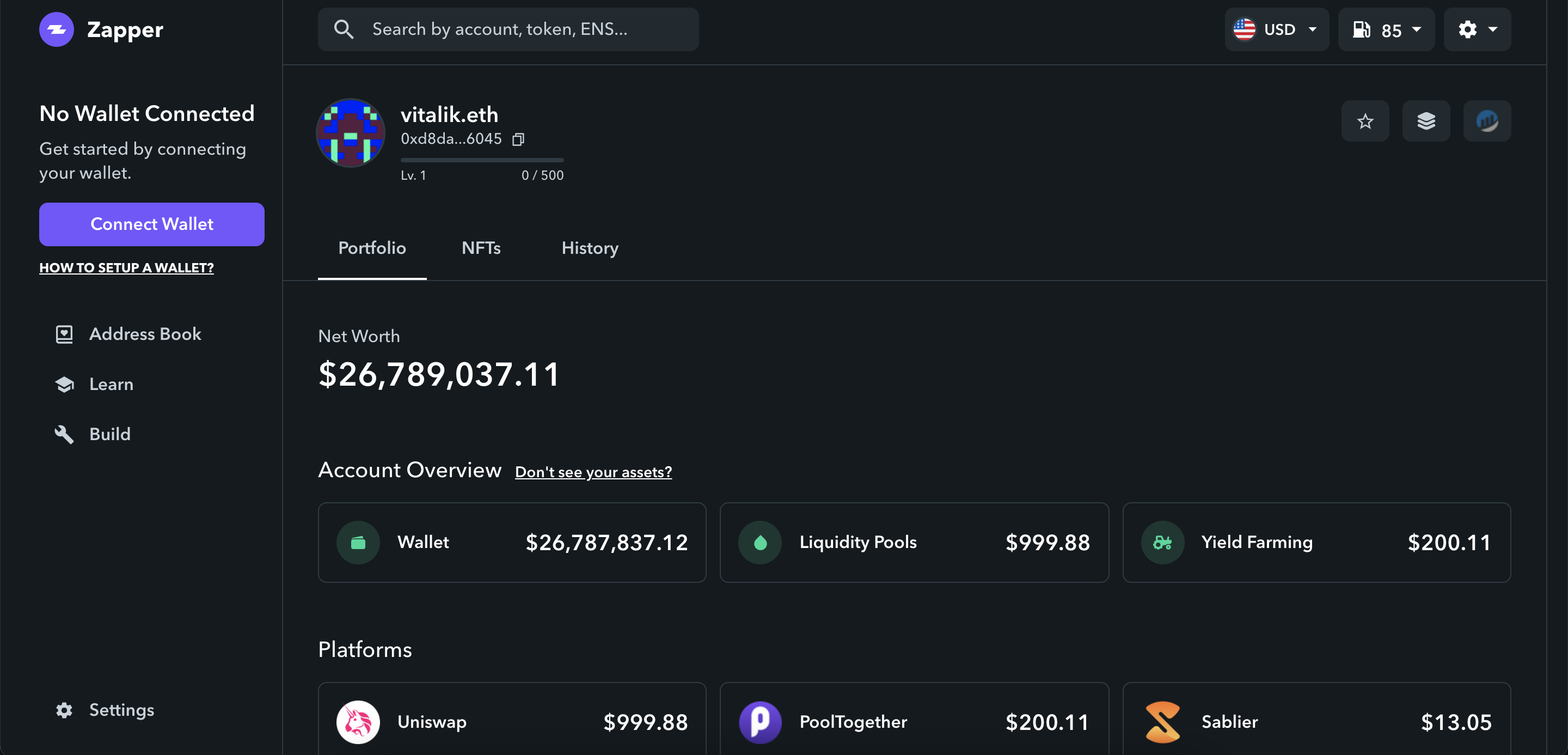
Zapper Finance simplifies DeFi management by aggregating positions across multiple wallets and chains into a single, intuitive interface. It automates portfolio rebalancing, allowing users to adjust their exposure to various assets with a few clicks. This consolidation reduces the complexity of managing fragmented holdings, ensuring that investment strategies remain aligned with market conditions without the need for manual transfers across different platforms.
5. DeFi Saver for automated strategy execution
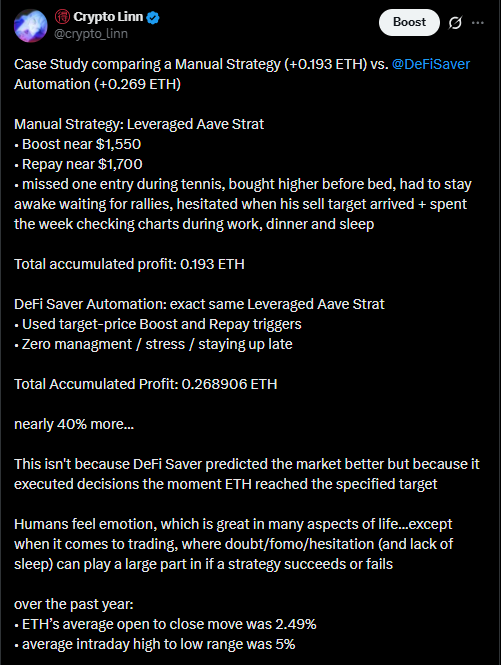
DeFi Saver acts as an execution layer for DeFi protocols, enabling users to set up complex strategies that run automatically. It allows for the automation of tasks like loan repayments, collateral adjustments, and yield farming, reducing the need for constant manual intervention. This tool is ideal for investors who want to maintain optimized positions without being glued to their screens, ensuring strategies execute precisely as defined.
Pick the right fit
Choosing an AI copilot for DeFi requires matching the tool’s core function to your primary bottleneck. The market splits into three distinct categories: portfolio trackers, liquidity managers, and security auditors. Using a security-focused tool for yield optimization will leave gaps in your strategy, just as using a yield bot without audit checks introduces unacceptable risk.
1. Define your primary goal Start by identifying the single most time-consuming task in your workflow. If you spend hours rebalancing positions across multiple chains, prioritize a copilot with strong multi-chain portfolio tracking capabilities. If your concern is smart contract risk, select a tool that integrates real-time audit data and anomaly detection. Clarity on the primary goal prevents feature bloat from distracting you.
2. Check security and custody model In high-stakes DeFi environments, the custody model is the most critical filter. Determine whether the copilot requires API keys with withdrawal permissions or operates in a read-only mode. Read-only integrations significantly reduce the attack surface for exploits. Always verify if the tool’s smart contract interactions are permissioned or if they allow unrestricted spending allowances.
3. Evaluate automation depth Not all "AI" tools offer true automation. Some provide only alerts, requiring you to execute trades manually. Others execute trades based on predefined thresholds. Assess whether the tool’s execution logic aligns with your risk tolerance. For complex strategies, look for tools that allow granular control over slippage and gas limits.
List every protocol you currently use. Identify which ones lack automated monitoring or rebalancing. This inventory reveals where an AI copilot can actually add value versus where it might just add complexity.
Before connecting any spending permissions, run the copilot in read-only mode for at least one week. Observe its alerts and insights. If the signals are noisy or inaccurate, the tool will not improve your decision-making even if you enable trading.

Ensure the tool uses secure API key management. Never share private keys. Prefer tools that generate temporary, permission-scoped keys for specific protocols rather than master keys that grant access to your entire wallet.
| Feature | Portfolio Tracker | Liquidity Manager | Security Auditor |
|---|---|---|---|
| Primary Goal | Visibility | Yield | Risk Reduction |
| Automation Level | Low | High | Medium |
| Custody Risk | Low | High | Low |


As an Amazon Associate, we may earn from qualifying purchases.
No comments yet. Be the first to share your thoughts!