What is a DeFi AI copilot
A DeFi AI copilot is an autonomous agent designed to operate directly within decentralized finance environments. Unlike generic crypto chatbots that only provide information, these copilots execute trades, audit smart contracts, and manage yield strategies in real time. The goal is to reduce the friction of manual interaction with complex blockchain protocols.
The core function of a DeFi AI copilot is automated risk assessment and execution. By aggregating data across multiple blockchains, these agents can monitor market conditions and protocol health continuously. When predefined conditions are met, the copilot acts without waiting for human approval, executing transactions at speeds and frequencies impossible for a human operator.
This shift from passive tools to active agents is defining the 2026 DeFi landscape. Projects like Kava AI are pioneering this approach by embedding execution capabilities directly into their platforms. Similarly, Amadeus Protocol has launched embedded agents that live within the user interface, helping users navigate interactions while simultaneously handling the underlying risk calculations. These tools do not just suggest actions; they perform them, turning complex financial operations into streamlined, automated workflows.
Sahara AI DeFi CoPilot
Sahara AI is preparing to launch its first vertical-specific agent, the DeFi CoPilot, scheduled for the fourth quarter of 2025. This tool is designed to operate autonomously within decentralized finance markets, handling transaction verification, risk assessment, and compliance checks without requiring constant human intervention.
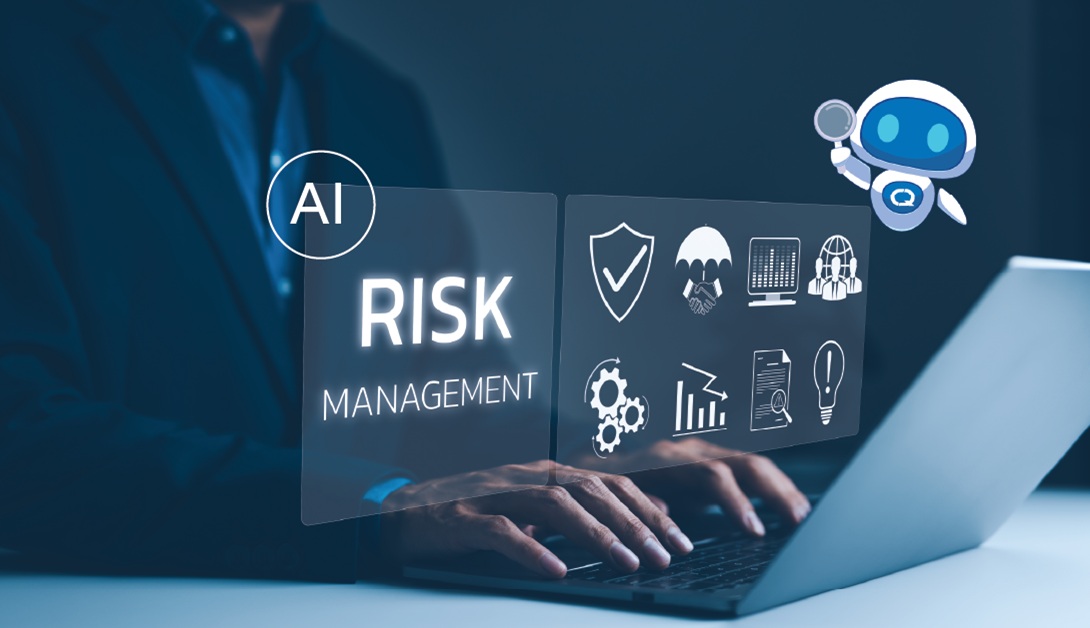
The platform focuses on automating the heavy lifting of yield optimization and risk management. By processing large volumes of on-chain data, the CoPilot aims to streamline workflows and reduce the manual effort traditionally needed to monitor complex DeFi protocols.
This launch positions Sahara AI as a key player in the DeFAI (Decentralized Finance + Artificial Intelligence) space, where agents execute trades, lending, and borrowing tasks independently. The tool is part of a broader roadmap to integrate AI agents directly into crypto market operations.
Kava AI Execution Agent
Kava AI positions itself as a DeFi co-pilot designed to bridge the gap between complex market data and actionable strategy. Rather than requiring users to monitor dozens of chains manually, the agent aggregates real-time data across multiple blockchains to identify optimal yield opportunities and risk parameters. This approach aims to reduce the friction of cross-chain DeFi participation by automating the execution layer.
The core function of the Kava AI Execution Agent is to act as an autonomous operator within the decentralized finance ecosystem. It continuously scans liquidity pools, lending protocols, and staking mechanisms to execute trades or rebalance portfolios based on predefined user goals. By handling the computational heavy lifting of tracking price movements and gas fees across different networks, it allows users to maintain exposure to high-yield assets without constant manual intervention.
This automation is particularly relevant for strategies that require speed, such as arbitrage or rapid yield farming. The agent’s ability to process insights across disparate blockchains means it can react to market shifts faster than a human trader managing multiple dashboards. While still evolving, this tool represents a shift toward AI-driven portfolio management where the software handles the execution while the user retains control over the strategy.


As an Amazon Associate, we may earn from qualifying purchases.
DeFi Pilot Portfolio Tracker
DeFi Pilot emerged from the ETHGlobal showcase as a practical entry point for users navigating complex DeFi positions. Rather than offering autonomous trading, the tool functions -powered assistant designed to consolidate portfolio tracking and simplify strategy analysis. It addresses the data overload inherent in decentralized finance by aggregating holdings across multiple protocols into a single dashboard.
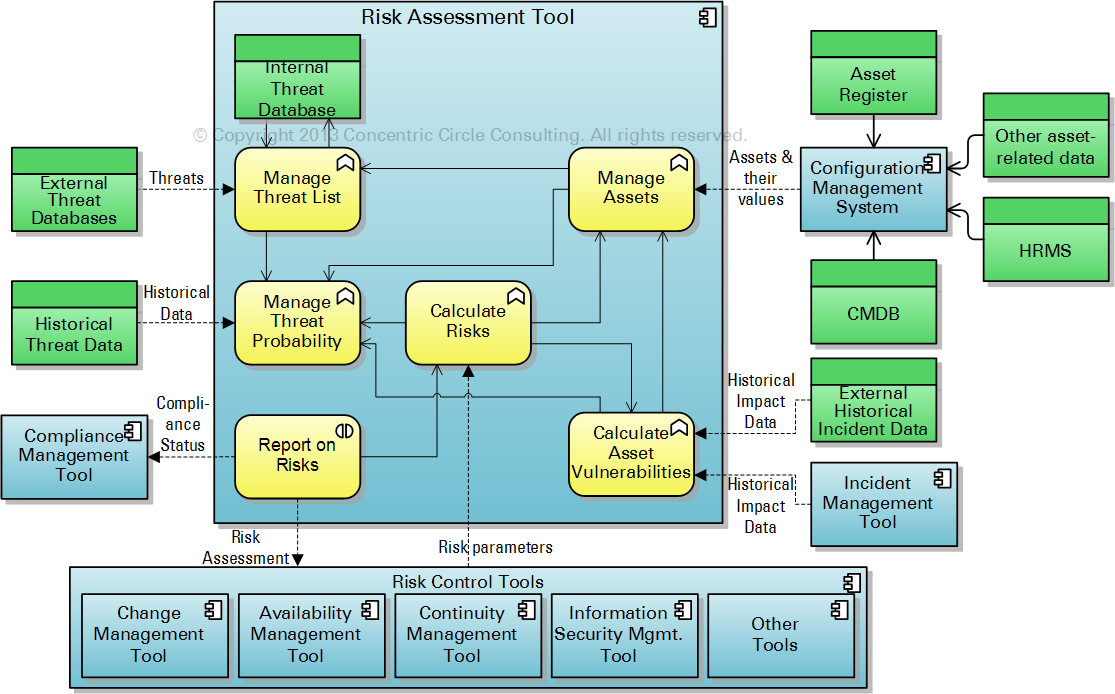
The platform focuses on risk assessment and performance monitoring. By applying AI to transaction data, DeFi Pilot identifies exposure concentrations and potential vulnerabilities in real-time. This allows users to understand the composition of their yield positions without manually auditing smart contract interactions or token approvals.
For investors seeking to automate risk checks, DeFi Pilot provides a structured view of asset allocation. It highlights underperforming strategies and suggests adjustments based on historical data, helping users maintain balance in volatile markets. The tool serves as a foundational layer for more advanced DeFi AI copilots by handling the essential groundwork of data visualization and basic risk scoring.
Stellar Native Intelligence Layer
DoraHacks has launched DeFi Copilot, a specialized intelligence layer designed to operate directly on the Stellar blockchain. Unlike traditional DeFi tools that require human oversight for every transaction, this platform empowers autonomous AI agents to execute financial strategies with minimal friction.
The core innovation lies in its monetization model. Instead of charging monthly subscriptions or requiring complex API key management, DeFi Copilot utilizes a pay-per-decision structure. Agents settle costs using the x402 protocol, allowing them to micro-transact only when they generate a specific risk assessment or yield opportunity. This efficiency makes it viable for high-frequency automated trading bots that would otherwise be eaten up by flat fees.
Functionally, the tool acts as a risk and yield engine. It scans the Stellar ecosystem for arbitrage opportunities, monitors lending rates, and assesses smart contract security in real time. By integrating directly with AI agents, it removes the need for developers to build proprietary data pipelines, letting them focus on strategy rather than infrastructure.
This approach marks a shift toward agent-native finance, where the cost of intelligence scales linearly with the value of the decision made.
Embedded Agents in DeFi UIs
The most immediate shift in DeFi AI is the move from external dashboards to embedded agents. Instead of relying on separate bots or complex command-line interfaces, platforms are integrating AI copilots directly into their user interfaces. This approach reduces friction by allowing users to manage risk and yield without leaving the application context.
Amadeus Protocol offers a clear example of this trend with its "Embedded Agents" product. Rather than asking users to copy-paste commands into a Discord bot or monitor a third-party tracker, the AI copilot lives on top of the platform's UI. It helps users interact with DeFi protocols through natural language, interpreting complex market data and executing transactions within the same window they are viewing.
This integration solves a common pain point: the cognitive load of managing multiple tabs and tools. By keeping the AI assistant embedded, users can ask for risk assessments or yield optimization suggestions and receive actionable results immediately. The agent acts as a layer of intelligence that interprets on-chain data and presents it in a user-friendly format, effectively bridging the gap between raw blockchain complexity and everyday usability.
Common questions about DeFi AI
The intersection of artificial intelligence and decentralized finance often invites confusion, particularly regarding the distinction between standard automation and autonomous agents. Clarifying these terms helps users understand what specific tools like Sahara AI’s DeFi CoPilot actually do in a live market.
What is AI DeFi?
AI DeFi, often referred to as DeFAI, represents the category where AI agents operate autonomously within crypto markets. Unlike traditional DeFi tools that require manual input for every transaction, DeFAI agents can trade, lend, borrow, and settle transactions with each other without human intervention at every step. This automation reduces the cognitive load of managing complex yield strategies or risk assessments manually.
What is the difference between AI and DeFi?
DeFi platforms handle a massive volume of transactions and data points, which can be overwhelming for manual processing. AI serves as the processing layer that automates these processes. It performs tasks such as transaction verification, real-time risk assessment, and compliance checks. While DeFi provides the decentralized infrastructure, AI provides the intelligence to navigate it efficiently, reducing the need for constant human oversight.
Is a DeFi Copilot an actual AI?
Yes, a DeFi copilot is an AI-powered assistant designed to streamline workflows in decentralized finance. It offers contextual assistance and automates routine tasks, such as tracking yield opportunities or flagging smart contract risks. For example, Sahara AI’s DeFi CoPilot is a vertical-specific AI agent currently in beta, designed to help users navigate market inefficiencies quietly and calmly, rather than through flashy, high-risk maneuvers.
No comments yet. Be the first to share your thoughts!