What is a DeFi AI copilot?
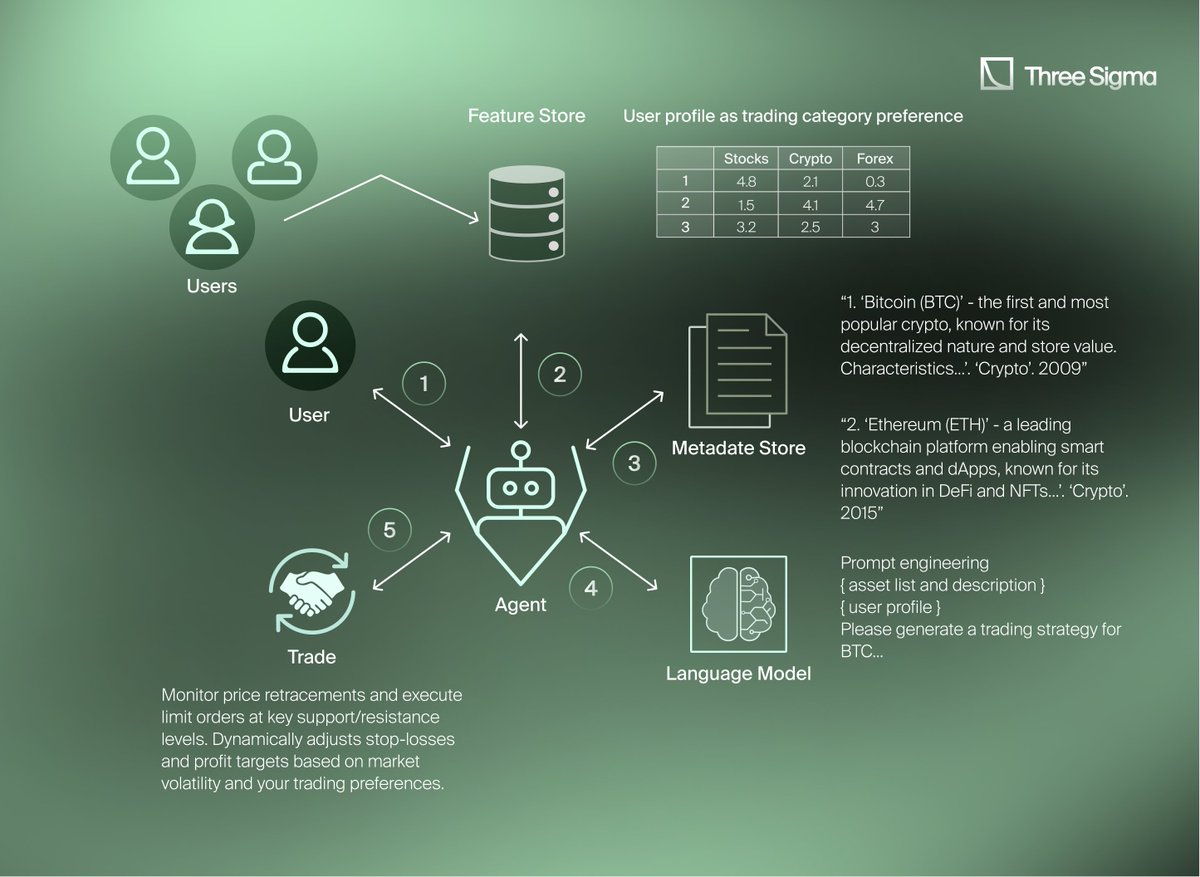
A DeFi AI copilot is an autonomous agent designed to execute yield strategies across decentralized finance protocols. Unlike traditional analytics dashboards that merely display data, these agents act as active operators. They monitor market conditions, assess risk, and execute transactions on behalf of the user without requiring manual intervention for every step.
The distinction lies in execution. Standard DeFi tools provide information; a DeFi AI copilot provides action. It aggregates real-time data from multiple blockchains to identify optimal yield opportunities, then deploys capital accordingly. This shifts the user role from constant manager to strategic overseer.
Projects like Kava AI are building toward this model by focusing on AI-powered execution rather than just insight aggregation. Similarly, Sahara AI has announced a "DeFi CoPilot" intended to operate as a vertical-specific agent. These developments signal a move toward agents that can navigate complex DeFi environments independently.
This automation reduces the friction of manual management but introduces new considerations regarding smart contract risk and agent reliability. The copilot is not just a chatbot; it is a functional interface to the blockchain's execution layer.
Leading DeFi AI copilot platforms
The DeFAI (decentralized finance + artificial intelligence) category is moving from conceptual whitepapers to active deployment. These platforms function as autonomous agents that operate within crypto markets, executing trades, lending, and borrowing without requiring manual input at every step. This shift reduces the operational friction that typically overwhelms manual yield optimization.
Sahara AI
Sahara AI is positioning its DeFi CoPilot as a vertical-specific agent designed for automated yield strategies. The project has outlined a roadmap that prioritizes beta testing before a broader public release. Users can currently join a waitlist to access the platform early, with the flagship agent scheduled to go live in the fourth quarter of 2025. This timeline suggests a phased rollout focused on stability before widespread adoption.
Kava AI
Kava AI is developing a co-pilot that aggregates real-time data and insights across multiple blockchains. The platform’s core value proposition lies in its ability to execute AI-driven strategies by synthesizing cross-chain information. By automating the execution layer, Kava AI aims to simplify the complexity of managing positions across disparate networks, allowing users to optimize yields without manually tracking liquidity across different ecosystems.
Defi Pilot
Defi Pilot offers a more accessible entry point -powered assistant focused on portfolio tracking and strategy analysis. Rather than fully autonomous execution, it serves as a decision-support tool that monitors holdings and analyzes performance metrics. This approach allows users to maintain control while leveraging AI to identify smarter DeFi strategies and track yield opportunities in real time.


As an Amazon Associate, we may earn from qualifying purchases.
How AI drives cross-chain yield
AI copilots function as autonomous agents that monitor, interpret, and execute financial operations across disparate blockchains. Unlike manual DeFi strategies, which require constant switching between wallets and bridges, these agents aggregate real-time data to identify and capture yield opportunities instantly. The core mechanism relies on three sequential phases: data aggregation, strategy execution, and risk monitoring.
1. Aggregating real-time data across chains
The first step involves ingesting market data from multiple sources. AI agents connect to various blockchain nodes to track liquidity pool depths, interest rates, and gas fees across networks like Ethereum, Sei, and Kava. This creates a unified view of the market, allowing the system to compare yields without human intervention. As noted by Kava AI, the ability to aggregate these insights across multiple blockchains is essential for identifying arbitrage opportunities that exist for only seconds.
2. Executing trades via smart contracts
Once an opportunity is identified, the AI agent executes the necessary transactions. This involves interacting with smart contracts to deposit assets, claim rewards, or rebalance portfolios. The agent signs transactions using stored private keys, ensuring that the execution happens automatically and without delay. This automation reduces the friction typically associated with cross-chain transfers, allowing the strategy to capture yield before the market adjusts.
3. Monitoring and adjusting for risk
The final phase is continuous monitoring. AI agents constantly assess the health of the underlying protocols and the broader market conditions. If a smart contract vulnerability is detected or a yield curve flattens, the agent can automatically withdraw funds or shift capital to a safer venue. This dynamic adjustment is critical for maintaining returns in a volatile environment.
This closed-loop system allows investors to benefit from cross-chain yield without the operational burden. By removing the need for manual oversight, AI copilots transform yield farming from a labor-intensive task into a passive, algorithm-driven process.
Smart Contract and Market Risks
Automating yield strategies introduces two distinct failure modes: code failure and market failure. In manual trading, a user can pause execution to reassess. An AI agent executing on-chain does not have this luxury. It operates within the constraints of its underlying smart contracts, and it is exposed to the immediate volatility of the asset markets it manages.
Smart Contract Vulnerabilities
The primary technical risk in DeFi AI is the smart contract itself. These are immutable pieces of code that hold the funds. If the contract contains a bug, an exploit, or an unpatched vulnerability, the AI agent will continue to execute trades until the funds are drained. Unlike traditional finance, where a bank can freeze an account, DeFi protocols rarely have a "kill switch" to stop an active exploit once it begins.
This risk is amplified by the complexity of AI agents. These agents often interact with multiple protocols simultaneously to optimize yield. Each interaction point is a potential entry vector for a reentrancy attack or a logic error. The AI does not "know" the code is broken; it simply follows its instructions, potentially accelerating the loss.
Market Volatility and Slippage
Beyond code, the market itself poses a significant threat. AI agents are often programmed to chase yield, moving capital into newer, less liquid pools. These pools are highly susceptible to volatility. A sudden market downturn can trigger liquidations faster than an AI can rebalance, leading to significant losses.
Slippage is another critical factor. In volatile markets, the price of an asset can change significantly between the time the AI decides to trade and the time the transaction is confirmed. If the AI is not configured with strict slippage tolerance, it may execute trades at unfavorable prices, eroding the very yield it was meant to generate.
Warning: Always audit the smart contracts that your AI agent interacts with. Do not assume that an agent's intelligence protects it from fundamental code vulnerabilities.
Frequently asked questions about DeFi AI
How do DeFi AI copilots differ from traditional trading bots?
Traditional trading bots execute pre-defined scripts based on static parameters. DeFi AI copilots utilize machine learning to interpret real-time market data, allowing them to adapt strategies dynamically. While bots follow rules, AI agents evaluate context, such as shifting liquidity depths or changing gas fees, to optimize execution timing and capital allocation.
What are the primary risks of using autonomous DeFi agents?
The primary risks are smart contract vulnerabilities and market volatility. Since AI agents interact directly with protocols, they are exposed to any bugs or exploits within those contracts. Additionally, automated strategies may chase high yields into illiquid pools, increasing exposure to slippage and liquidation events during market downturns.
Can AI copilots manage cross-chain yield strategies?
Yes, many DeFi AI copilots are designed specifically for cross-chain operations. They aggregate data from multiple blockchains to identify arbitrage opportunities or yield differentials. By automating the complex process of bridging assets and interacting with disparate protocols, these agents can capture yields that would be difficult or too costly for humans to execute manually.
How do I ensure the safety of my funds when using an AI copilot?
Safety depends on the security of the underlying smart contracts and the AI agent's configuration. Users should verify the audit status of all protocols the agent interacts with. Additionally, setting strict risk parameters, such as maximum capital allocation per strategy and slippage tolerance, helps mitigate potential losses from market volatility or execution errors.
No comments yet. Be the first to share your thoughts!