What are AI copilots in DeFi?
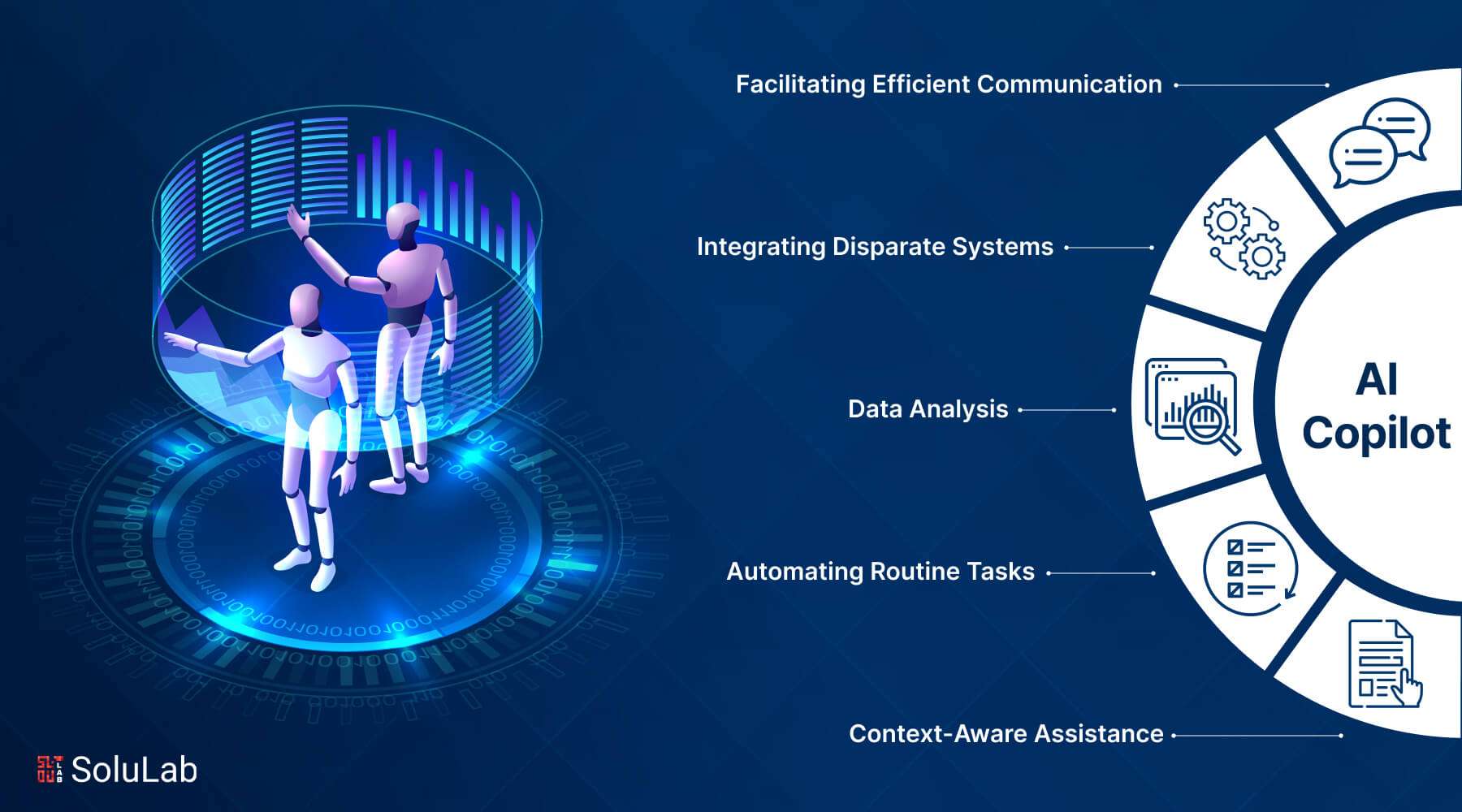
An AI copilot in decentralized finance is an autonomous agent that monitors markets, analyzes yields, and executes transactions on your behalf. Unlike traditional DeFi dashboards that require manual clicks, these copilots act as a continuous layer of intelligence between you and the blockchain. They reason about goals—such as maximizing APY or minimizing impermanent loss—and take action without waiting for a human to initiate every step.
This shift marks the transition from DeFi to DeFAI (Decentralized Finance AI). In this new paradigm, software becomes the primary user of financial protocols. Instead of you manually moving funds between lending platforms to chase better rates, an AI copilot tracks opportunities across multiple chains and rebalances your portfolio in real time. It’s less like a search engine and more like a junior analyst working 24/7, filtering noise and executing trades based on pre-set risk parameters.
For example, tools like Defi Pilot allow users to track holdings and receive strategic suggestions, while broader ecosystems are building agents that can directly interact with smart contracts. The value proposition is clear: reducing the cognitive load of yield farming. However, this convenience comes with the responsibility of trusting code over intuition. As these agents become more capable, the line between passive holding and active algorithmic management blurs, requiring users to understand not just the yield, but the logic driving the auto-compounding.
Weighing the tradeoffs of ai copilots
DeFi AI copilots promise to automate yield farming, but they introduce new layers of complexity that can erode returns if mismanaged. Unlike manual trading, where a human controls every click, an AI copilot operates autonomously. This shift requires you to evaluate the tradeoffs between convenience, cost, and control before integrating these tools into your strategy.
The primary benefit is speed and data processing. AI agents monitor thousands of pools across multiple chains simultaneously, identifying yield opportunities that a human would miss. However, this automation comes with fees. Many copilots charge a percentage of profits or a subscription fee, which can significantly impact net APY, especially in lower-yield strategies.
Risk management is another critical factor. While AI can execute trades instantly, it may lack the contextual understanding to navigate sudden market crashes or smart contract vulnerabilities. You must determine if the copilot allows for manual overrides or if it operates in a "black box" mode where you have no visibility into the decision-making process.
| Feature | Full Automation | Semi-Automated | Manual with AI Insights |
|---|---|---|---|
| Execution Speed | Instant, 24/7 | Near-instant | Dependent on user |
| Cost | High (profit share) | Moderate (subscription) | Low (one-time or free) |
| Control | None | High | Full |
| Risk Level | Highest | Medium | Lowest |
Full automation tools offer the best opportunity for passive income but carry the highest risk of catastrophic loss if the AI misinterprets market signals. Semi-automated options allow you to set parameters and approve transactions, balancing efficiency with safety. For most investors, a hybrid approach using AI for research and manual execution for high-stakes moves remains the most prudent path.
KeyTakeaways(items=["AI copilots automate yield farming but charge fees that reduce net returns.", "Full automation offers speed but eliminates user control over risk.", "Semi-automated tools provide a balance between efficiency and safety.", "Always verify smart contract security before granting AI access to funds."])
How to evaluate AI DeFi copilots
Choosing an AI copilot for yield farming requires separating marketing hype from functional utility. The landscape is shifting toward DeFAI, where agents reason about goals and execute strategies continuously, rather than waiting for human initiation. To navigate this, apply this four-step framework to any tool before connecting your wallet.
1. Verify autonomous guardrails
An effective copilot must enforce strict risk boundaries. Look for tools that allow you to set hard limits on position size, slippage, and maximum drawdown. Without these guardrails, autonomous agents can spiral into losses during high-volatility events. The best tools provide a "kill switch" that instantly halts all automated actions if market conditions deviate significantly from your predefined parameters.
2. Audit strategy transparency
Avoid black-box systems. A reliable AI copilot should explain the logic behind its yield farming moves, such as why it chose a specific liquidity pool or rebalancing timing. If the tool cannot clearly articulate its strategy in plain language, it likely lacks the explainability needed for high-stakes financial decisions. Transparency allows you to verify that the AI is not taking on hidden leverage or exposure to unstable assets.
3. Test integration depth
The value of an AI copilot lies in its ability to interact with multiple DeFi protocols simultaneously. Ensure the tool supports direct integration with major lending, borrowing, and DEX platforms. Seamless integration reduces the need for manual transaction signing across different interfaces, lowering the risk of user error and saving time. Check for compatibility with your preferred chain and wallet type before committing.
4. Check historical performance data
Backtesting is essential. Look for tools that provide verifiable, on-chain performance records rather than simulated returns. Real-world data shows how the AI handles market crashes, gas fee spikes, and liquidity crunches. Be wary of tools that only showcase best-case scenarios. A robust copilot should demonstrate resilience and consistent risk-adjusted returns across different market cycles.
Watch for misleading claims and weak options
DeFi copilots promise autonomous yield optimization, but the market is split between sophisticated agentic frameworks and basic portfolio trackers. You need to distinguish between tools that actually execute strategies on-chain and those that merely display data. Many projects label themselves as "AI copilots" while offering nothing more than a dashboard with automated alerts.
The risk lies in the execution layer. A true AI DeFi agent reasons about goals and executes strategies continuously, as seen in early DeFAI experiments like Defi Pilot. However, most commercial tools lack the transparency to prove their algorithms aren't just repeating simple arbitrage bots. Always verify if the tool requires direct wallet access or can operate via read-only RPC endpoints.
Beware of vague performance metrics. Claims of "smart strategies" often mask high-risk leverage or impermanent loss exposure. Check if the platform provides a clear audit trail of every transaction initiated by the AI. Without this, you are trusting a black box with your capital. Stick to tools with open-source code or verified smart contract interactions.
DeFi AI Copilots FAQs
DeFAI merges artificial intelligence with decentralized finance, automating complex strategies like yield farming and arbitrage. The following questions address the most common practical concerns before you integrate these tools into your workflow.
No comments yet. Be the first to share your thoughts!