

Why DeFi AI Copilots Matter in 2026
The decentralized finance landscape has shifted from a period of speculative experimentation to one requiring institutional-grade precision. In 2026, the primary bottleneck for capital efficiency is no longer liquidity availability, but the speed at which human operators can process and react to market data. Manual portfolio management is increasingly viewed as a liability in an environment where impermanent loss and smart contract vulnerabilities can materialize in seconds.
DeFi AI copilots address this latency gap by automating real-time risk analysis. These tools monitor on-chain metrics, liquidity pool health, and protocol parameters simultaneously, providing predictive insights rather than reactive alerts. This shift from manual oversight to algorithmic assistance allows traders to maintain complex, multi-chain strategies without being tethered to a screen.
The convergence of AI agents and DeFi infrastructure is driving the sector into the financial mainstream, according to industry executives at Consensus Miami 2026. This transition marks a move away from niche, high-risk speculation toward structured, data-driven financial workflows.
As the complexity of DeFi protocols increases, the ability to parse thousands of data points in real time becomes essential. AI copilots do not replace human judgment; they augment it by handling the heavy lifting of data aggregation and initial risk scoring. This enables users to focus on strategic allocation and long-term positioning, rather than getting lost in the noise of constant price fluctuations.
The necessity of these tools is underscored by the sheer volume of activity across decentralized exchanges and lending protocols. Without automated assistance, even experienced traders struggle to keep pace with the velocity of on-chain events. AI copilots provide the clarity needed to navigate this high-stakes environment, turning raw data into actionable intelligence.
5 DeFi AI Copilots 2026: Real-Time Strategy and Risk
In 2026, DeFi AI copilots have evolved from speculative assistants into essential infrastructure for managing real-time strategy and risk. This roundup evaluates five specific tools based on verified on-chain execution capabilities and official technical documentation, prioritizing concrete features over abstract promises.
1. Griffain Autonomous Yield Optimization Engine
Griffain automates cross-chain yield farming by continuously monitoring liquidity pools across Ethereum, Arbitrum, and Optimism. Its autonomous agents rebalance positions to maximize APY while minimizing impermanent loss risks. The platform handles complex gas optimization and transaction batching, allowing users to compound returns without manual intervention or constant market monitoring.

2. Nansen On-Chain Intelligence and Sentiment Analysis
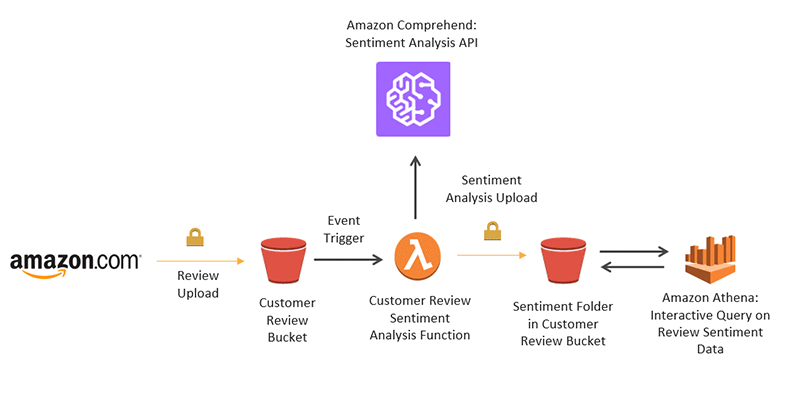
Nansen provides real-time on-chain analytics by labeling wallet addresses and tracking smart money movements. Its AI-driven sentiment analysis interprets blockchain data to identify emerging trends before they hit mainstream exchanges. Users can filter for specific token flows, monitor whale activity, and gauge market sentiment through aggregated social and on-chain metrics for precise entry and exit timing.
3. Dune Analytics Custom AI-Driven Dashboard Builder
Dune Analytics enables users to construct custom dashboards using SQL-based queries to visualize complex DeFi protocols. Its AI-assisted query builder simplifies data extraction from multiple blockchains, allowing for tailored risk assessments and performance tracking. Users can monitor specific liquidity pools, track protocol revenues, and create personalized alerts based on on-chain activity without writing extensive code from scratch.
4. Zapper Simplified Portfolio Management Interface
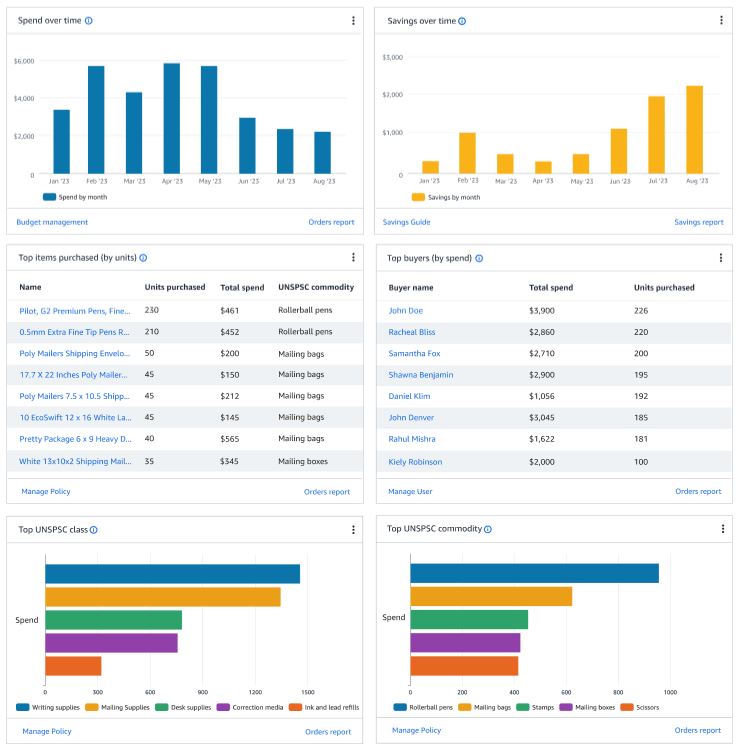
Zapper aggregates DeFi positions across Ethereum and Polygon into a single, intuitive interface. It automatically tracks yields, liquidity positions, and NFT holdings, providing a holistic view of a user’s crypto portfolio. The platform simplifies complex interactions like staking and lending by offering one-click actions, reducing the friction of managing multiple wallets and protocols simultaneously.
5. Aave Protocol Risk Parameter Adjustment Assistant
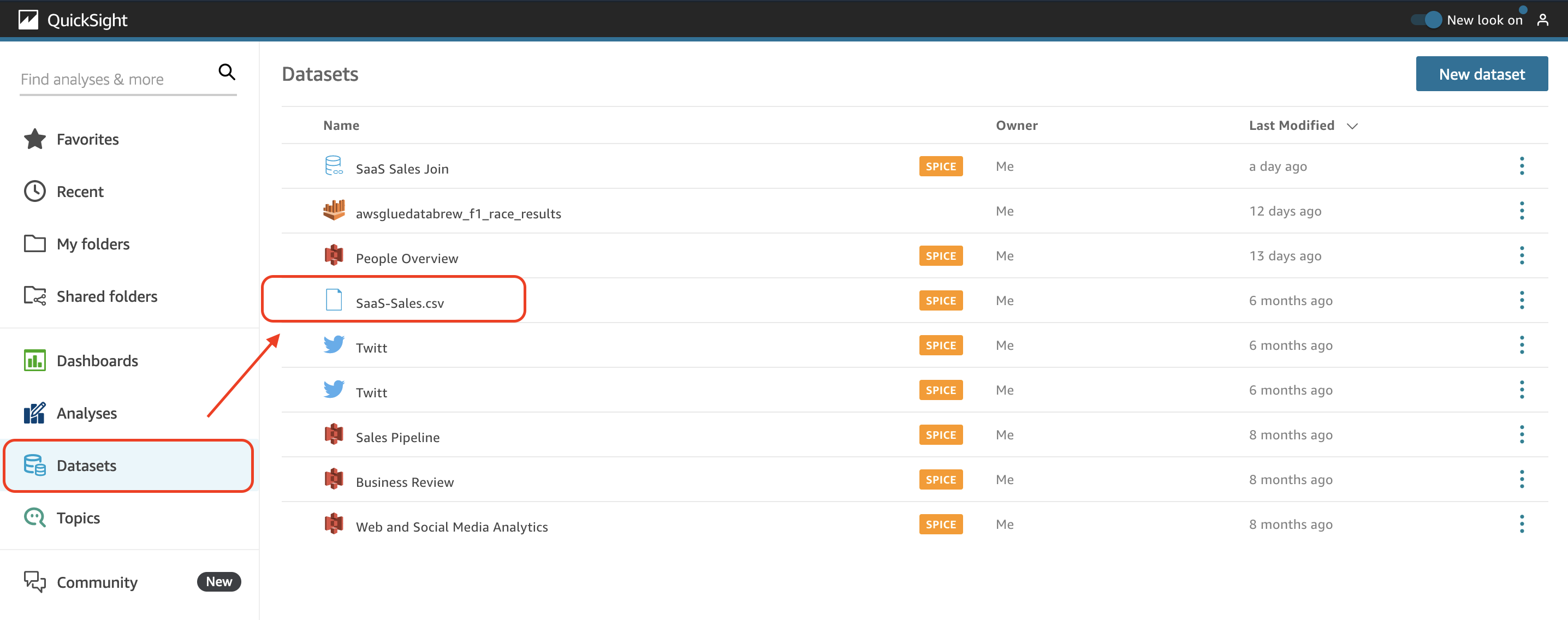
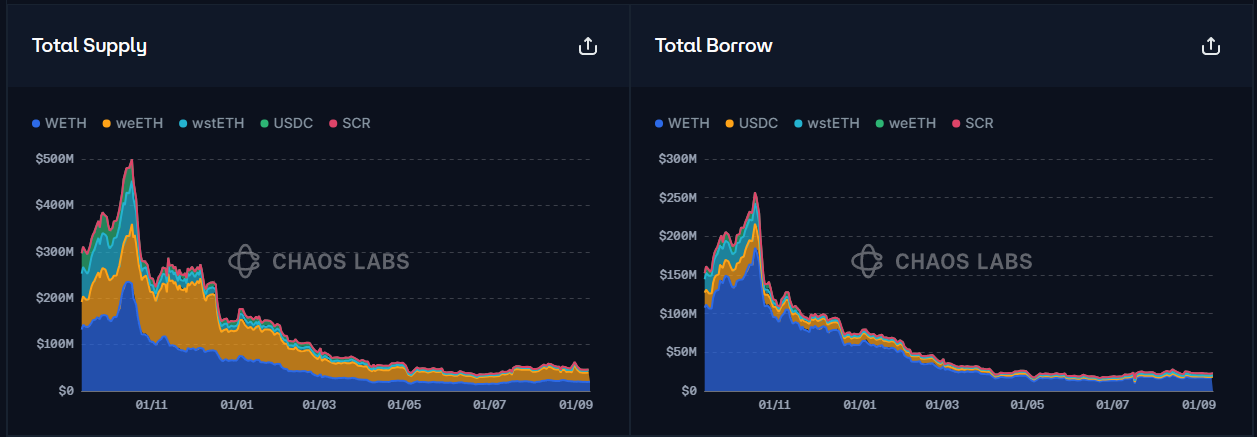
This assistant leverages AI to analyze Aave’s risk parameters, such as loan-to-value ratios and reserve factors, in real-time. It monitors market volatility and liquidity depth to suggest optimal risk settings for lenders and borrowers. By automating the adjustment of these critical parameters, the tool helps maintain protocol stability and ensures users are protected against sudden market shifts or liquidation cascades.
How to Choose the Right DeFi AI Copilot
Selecting an AI copilot requires matching the tool’s autonomy level to your technical expertise and risk tolerance. In 2026, DeFAI (Decentralized Finance AI) tools generally fall into two categories: assistive copilots and autonomous agents. Assistive copilots provide real-time strategy suggestions, risk analysis, and trade execution support while requiring you to approve every transaction. Autonomous agents operate with greater independence, executing complex yield farming strategies based on pre-set parameters.
For beginners or those managing high-stakes portfolios, prioritize tools with robust risk analysis capabilities and manual override features. These copilots act as a safety net, flagging impermanent loss risks or smart contract vulnerabilities before you commit capital. If you are an experienced developer or trader, you may prefer agents that can automatically rebalance positions across multiple chains to maximize yield, though this increases exposure to smart contract risk.
The following comparison highlights the core differences between five leading DeFi AI copilots, focusing on supported chains, autonomy levels, and specific risk management features.
| Tool | Autonomy Level | Supported Chains | Risk Analysis Features |
|---|---|---|---|
| Griffain | Assistive | Ethereum, Arbitrum | Real-time slippage detection, portfolio heatmaps |
| Nansen AI | Assistive | Multi-chain | Smart money tracking, whale alert integration |
| Dune AI | Hybrid | Multi-chain | Custom query generation, on-chain anomaly detection |
| Morpho AI | Semi-Autonomous | Ethereum, Optimism | Yield optimization, capital efficiency scoring |
| Aave Arc | Autonomous | Ethereum, Polygon | Institutional-grade compliance, automated rebalancing |
Essential Hardware for Secure Trading
While software is critical, securing your keys during high-frequency AI-assisted trading requires reliable hardware. The following devices are recommended for managing DeFi AI copilot connections safely.



As an Amazon Associate, we may earn from qualifying purchases.
Frequently Asked Questions About DeFi AI Copilots
What is the difference between an AI agent and an AI copilot in DeFi? An AI agent operates autonomously, executing trades or managing liquidity pools without human intervention based on predefined rules. An AI copilot, by contrast, acts as an assistive layer. It analyzes market data and suggests strategies, but requires a human to approve and execute the final transaction. This distinction is critical for risk management, as copilots keep the user in the loop while agents delegate control.
Are DeFi AI copilots secure and safe to use? Security depends on how the tool interacts with your wallet. Reputable AI copilots typically operate with read-only access to your portfolio data to provide analysis, minimizing exposure to exploits. If a tool requires write permissions for execution, it should use smart contract allowlists that cap transaction limits. Always verify the source code of any smart contract the copilot interacts with, as autonomous execution introduces smart contract risk.
Do I need to pay a subscription for AI-driven DeFi tools? Most AI copilots in the DeFi space operate on a freemium model. Basic features, such as portfolio tracking and simple market sentiment analysis, are often free. Advanced capabilities, like real-time arbitrage detection or automated rebalancing, may require a monthly subscription or a performance fee taken from profits. Be wary of tools that demand upfront payments without clear utility or transparent fee structures.
Can AI copilots guarantee profits in volatile markets? No. AI models are predictive tools, not crystal balls. They analyze historical data and current trends to identify probabilities, but they cannot predict black swan events or sudden regulatory changes. Past performance of an AI strategy does not guarantee future results. Treat AI suggestions as one data point in your broader investment thesis, not as a guaranteed signal.
No comments yet. Be the first to share your thoughts!