What a DeFi AI Copilot Actually Does
The term "DeFi AI copilot" has shifted from a marketing buzzword to a specific utility class. In 2026, these tools are not autonomous trading bots that blindly execute strategies. They are assistant layers that sit between you and the blockchain, designed to automate the repetitive, high-frequency tasks of yield farming and risk monitoring.
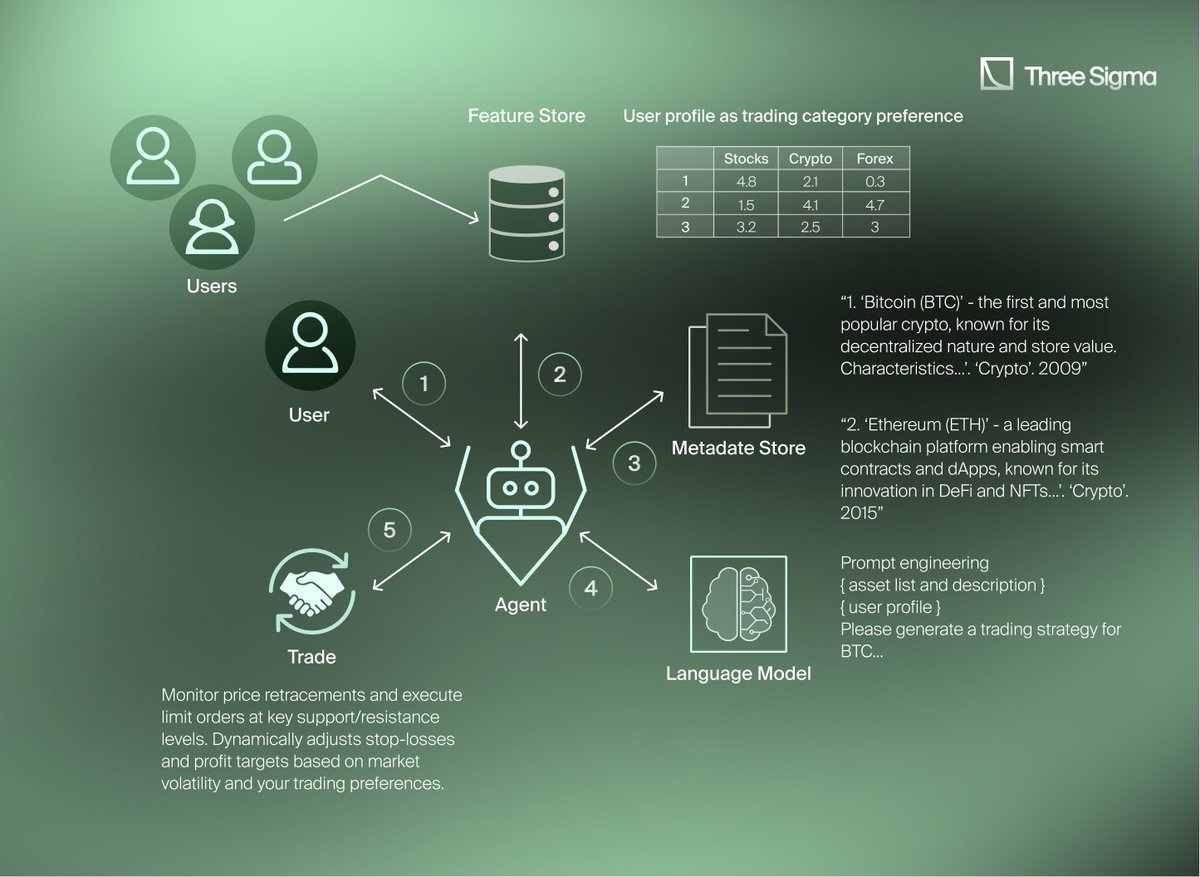
Think of a DeFi AI copilot as a junior analyst who never sleeps. It watches hundreds of liquidity pools, checks smart contract audits, and monitors gas fees simultaneously. When it spots a yield opportunity that matches your risk parameters, it presents the data in plain language. You make the final approval. This separation of execution and decision-making is the critical safety feature that distinguishes modern copilots from the risky automated bots of previous years.
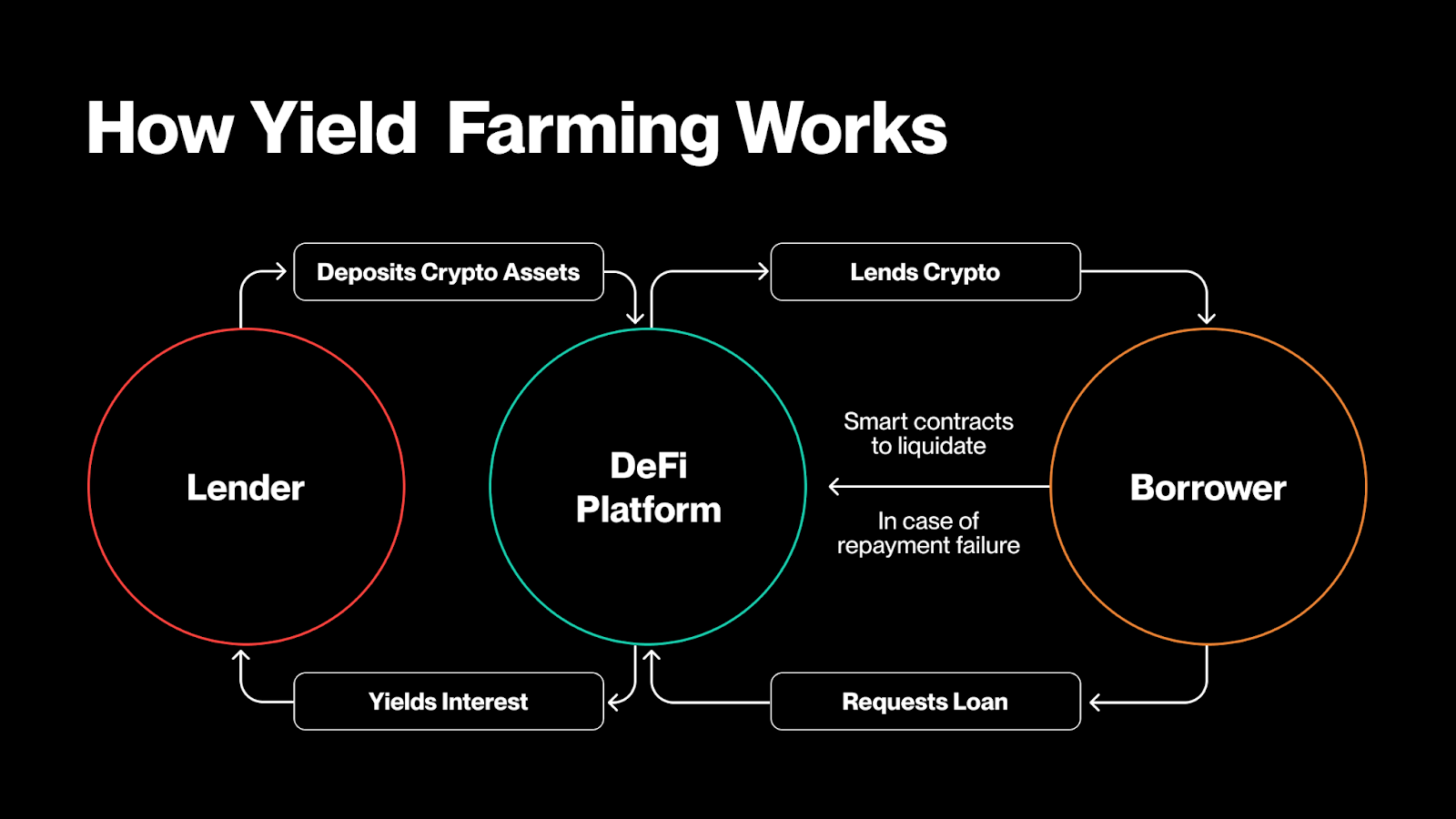
The primary value lies in risk management. Yield farming often involves complex interactions with multiple protocols. A copilot analyzes the underlying code and historical performance data to flag potential vulnerabilities before you connect your wallet. It simplifies the landscape, allowing you to manage positions across chains without becoming a full-time blockchain researcher.
Choosing the Right Copilot for Your Strategy
Automating yield farming and risk management with AI copilots in 2026 requires balancing speed against control. While these tools execute trades in milliseconds, they operate within the constraints of their training data and the smart contracts they interact with. You must evaluate how these systems handle market volatility, gas fee spikes, and protocol-specific risks.
The primary tradeoff lies in autonomy versus oversight. Fully autonomous agents can capture fleeting arbitrage opportunities but may suffer from "model drift" or unexpected behavior in novel market conditions. Semi-autonomous systems, which require human confirmation for high-value transactions, offer a safer middle ground but sacrifice some speed. Understanding this spectrum is essential for selecting a copilot that matches your risk tolerance.
Another critical factor is the transparency of the AI's decision-making process. Black-box algorithms can be difficult to audit when things go wrong. Look for copilots that provide clear logs of why a specific yield farm or hedging strategy was selected. This transparency allows you to verify that the AI is adhering to your predefined risk parameters rather than chasing yield blindly.
Finally, consider the integration with existing DeFi protocols. Not all AI copilots support the same range of decentralized exchanges, lending platforms, or liquidity pools. Ensure the tool you choose can interact with the specific protocols where you hold assets. Compatibility issues can lead to failed transactions or unnecessary gas costs, eroding your returns.
| Feature | Autonomous Mode | Semi-Autonomous | Manual Oversight |
|---|---|---|---|
| Execution Speed | Instant | Near-instant | Depends on user |
| Risk Control | Low | Medium | High |
| Transparency | Variable | High | Full |
| Best For | Arbitrage | Yield Farming | Long-term Holding |
How to Evaluate Copilot Options
Evaluating DeFi AI copilots works best as a clear sequence: define the constraint, compare the realistic options, test the tradeoff, and choose the path with the fewest hidden costs. That order keeps the advice usable instead of decorative.
After each step, pause long enough to check whether the recommendation still fits the reader's actual situation. If it depends on perfect timing, unusual access, or a best-case budget, include a simpler fallback.

Spotting Weak DeFi AI Options
DeFi AI copilots promise to automate yield farming and risk management, but the landscape is littered with misleading claims. Many tools market themselves as autonomous agents while relying on basic scripts that fail during market volatility. Before integrating any AI tool into your portfolio, you need to verify how it handles smart contract interactions and risk parameters.
A common mistake is trusting price prediction models without understanding their underlying data sources. For instance, some AI-driven platforms cite bullish predictions for assets like XRP based on limited historical patterns, ignoring broader market sentiment and regulatory shifts. These weak options often lack transparency in their algorithmic logic, making it difficult to audit their decisions when things go wrong.
To protect your capital, focus on tools that offer clear risk management protocols rather than just yield generation. Look for platforms that provide real-time monitoring of liquidity pools and offer manual override capabilities. The best AI copilots act as advisors, not autonomous traders, allowing you to maintain control over your assets while benefiting from data-driven insights.
Key Questions About AI Copilots
The rise of AI copilot tools in 2026 has shifted yield farming from a manual grind to an automated workflow, but it has also introduced new layers of technical and financial risk. Before integrating these agents into your portfolio, it is essential to understand how they operate, where they might fail, and what safeguards remain necessary.
Are AI copilots safe for managing crypto assets?
AI copilots generally connect to your wallet via API keys with strict permissions, rather than holding your private keys directly. This separation is a critical security feature, but it is not foolproof. If an API key is compromised or if the AI agent executes a flawed transaction due to a bug, the loss is immediate and irreversible. Always use "read-only" or "limited transaction" permissions when possible, and never grant unlimited approval to smart contracts without auditing the specific code the AI interacts with.
Can AI copilots guarantee profitable yield farming strategies?
No. AI tools excel at data aggregation and pattern recognition, but they cannot predict black swan events or sudden market crashes. While an AI might identify a high-yield opportunity based on historical data, past performance does not guarantee future results. These tools should be viewed as sophisticated assistants that execute pre-defined strategies, not as crystal balls that eliminate risk. Diversification remains your primary defense against algorithmic errors or market volatility.
How do AI copilots handle smart contract risks?
Most advanced 2026-era copilots integrate with real-time audit feeds and risk scoring engines. They can flag contracts with known vulnerabilities or unusual liquidity patterns before you invest. However, these systems are not infallible. New exploits are discovered daily, and an AI might miss a subtle logic flaw in a newly deployed contract. Treat AI risk scores as a preliminary filter, not a final guarantee of safety. Always cross-reference with independent security audits from firms like CertiK or OpenZeppelin.
What is the cost of using an AI copilot for DeFi?
Costs vary significantly depending on the platform. Some tools offer free tiers with limited transactions, while others charge a monthly subscription or a percentage of the yields generated. Be wary of platforms that charge high performance fees on volatile yields, as these can quickly erode your net returns. Additionally, consider the gas costs incurred by the AI's frequent rebalancing transactions. In some cases, the gas fees alone may outweigh the marginal yield gains for smaller portfolios.
Helpful Gear
Use these product recommendations as a starting point, then choose the size, material, and price point that fit how you actually use the gear.
As an Amazon Associate, we may earn from qualifying purchases.
No comments yet. Be the first to share your thoughts!