What is a DeFi AI Copilot?
A DeFi AI copilot is an interface layer that sits between you and decentralized protocols. Instead of manually checking block explorers or switching between five different dashboards to manage liquidity, the copilot aggregates your positions and offers actionable suggestions. It acts as a navigator, translating complex on-chain data into plain language recommendations for rebalancing, yield farming, or risk mitigation.
These tools typically leverage large language models to interpret smart contract interactions. For example, rather than showing you a raw transaction hash, the AI might flag that a specific yield pool has seen a 15% drop in TVL (Total Value Locked) and suggest moving funds to a more stable vault. The goal is to reduce the cognitive load of managing decentralized assets, allowing you to focus on strategy rather than data entry.
While the promise is seamless portfolio tracking, the reality involves significant tradeoffs. You are relying on an AI to interpret code it did not write. If the model hallucinates a risk factor or misinterprets a protocol’s updated terms, your financial exposure changes instantly. The copilot is a decision-support tool, not an autonomous agent. You retain final custody and execution responsibility, which means you must verify its logic against primary sources before signing any transaction.
Defi ai copilot choices that change the plan
Choosing an AI copilot for DeFi involves balancing automation speed against control and security. These tools range from passive portfolio trackers to active trading agents that execute transactions on-chain. The right choice depends on your risk tolerance, technical comfort, and whether you prioritize yield generation or capital preservation.
Key Tradeoffs to Evaluate
Execution vs. Advisory
Some copilots, like Defi Pilot, focus on monitoring and strategy generation, leaving execution to the user. Others, such as the AI agents described in recent ecosystem showcases, can autonomously trade based on prompts. Autonomous execution saves time but introduces smart contract risk and potential for unintended transactions during market volatility.
Cost Structure
Traditional subscriptions are common, but newer models like the Stellar-native DeFi Copilot use a per-decision payment model via x402. This pay-per-use approach aligns costs with actual utility, which can be more economical for infrequent traders compared to fixed monthly fees.
Data Privacy and Source
Copilots powered by large language models like Google’s Gemini analyze on-chain data to generate personalized strategies. However, this requires sharing portfolio data with the AI provider. Evaluate how data is stored, whether it is anonymized, and if the model is trained on your specific holdings.
| Feature | Defi Pilot | Staxiq Copilot | Stellar Agent |
|---|---|---|---|
| Primary Function | Portfolio Tracking | Strategy Generation | Autonomous Trading |
| Execution Model | User-Initiated | User-Initiated | AI-Driven |
| Pricing | Subscription | Subscription | Per-Decision |
| Chain Support | Multi-Chain | Bitcoin DeFi | Stellar |
Technical Context
DeFi asset performance directly impacts copilot strategy effectiveness. Monitoring market trends helps determine whether to rely on AI-driven automation or manual oversight during high-volatility periods.
Choose the next step
How DeFi AI Copilots Are Redefining Portfolio Management works best as a clear sequence: define the constraint, compare the realistic options, test the tradeoff, and choose the path with the fewest hidden costs. That order keeps the advice usable instead of decorative. After each step, pause long enough to check whether the recommendation still fits the reader's actual situation. If it depends on perfect timing, unusual access, or a best-case budget, include a simpler fallback.
Spotting Weak Options in AI DeFi
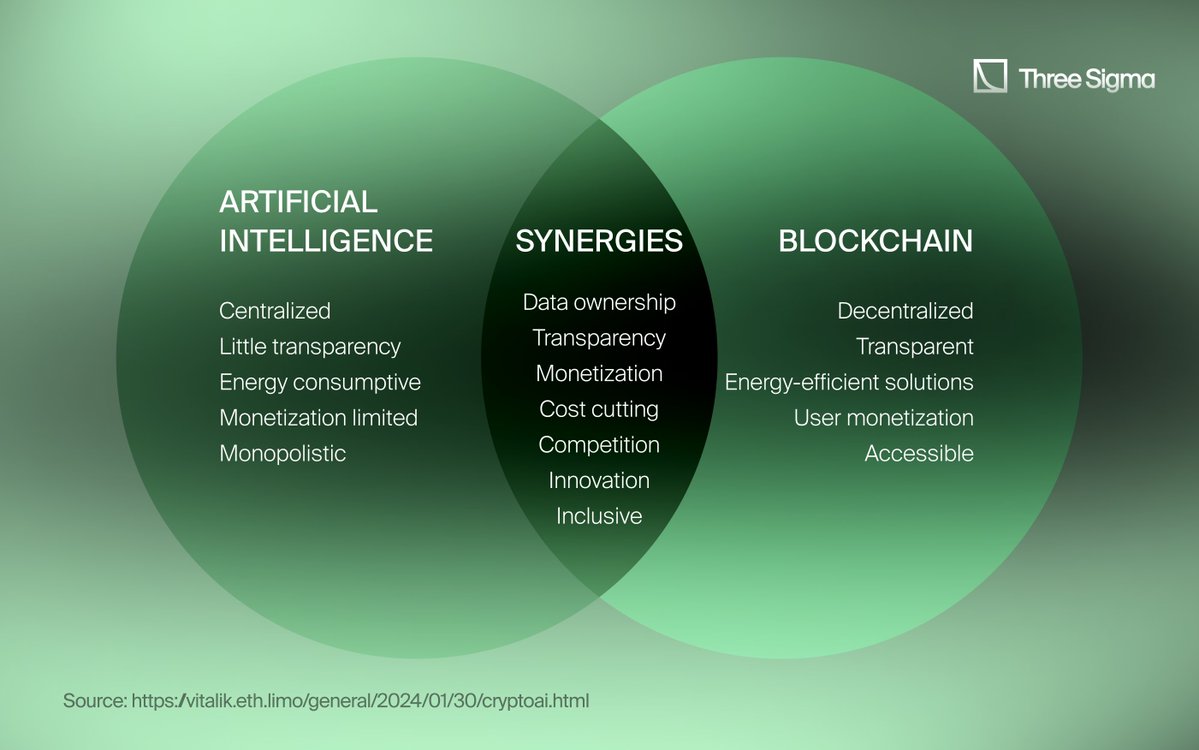
Many platforms promise "seamless" management, but the reality often involves generic signals masked as intelligence. When evaluating AI DeFi copilots, look past marketing terms like "smart strategies" and examine the actual data sources. Reliable tools cite specific on-chain metrics or oracle feeds, while weaker options rely on broad, unverified sentiment analysis that fails during market volatility.
A common mistake is assuming an AI copilot can replace your due diligence. These tools are assistants, not autonomous agents. If a platform claims to generate "personalized Bitcoin DeFi strategies" without allowing you to inspect the underlying logic or risk parameters, it is likely a black box. You should verify that the AI provides transparent reasoning for every recommendation, allowing you to audit the tradeoffs before committing capital.
The decision comes down to transparency. Strong options show their work: they display the specific indicators used, the historical performance of similar signals, and the clear limitations of their models. Weak options hide behind vague promises of "AI-powered" growth. Always prioritize platforms that offer clear, auditable logic over those that simply output buy or sell signals without explanation.
Defi ai copilot: what to check next
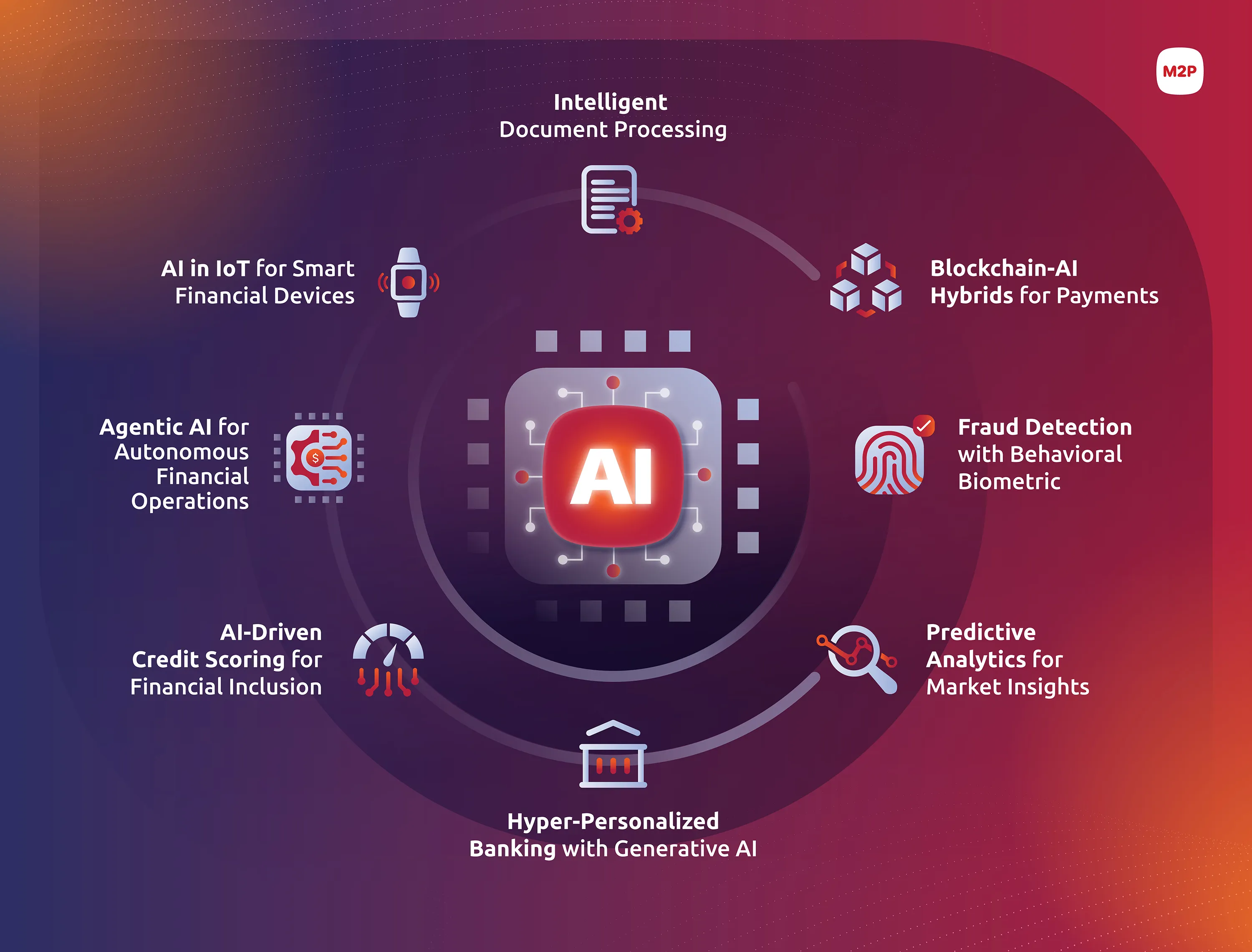
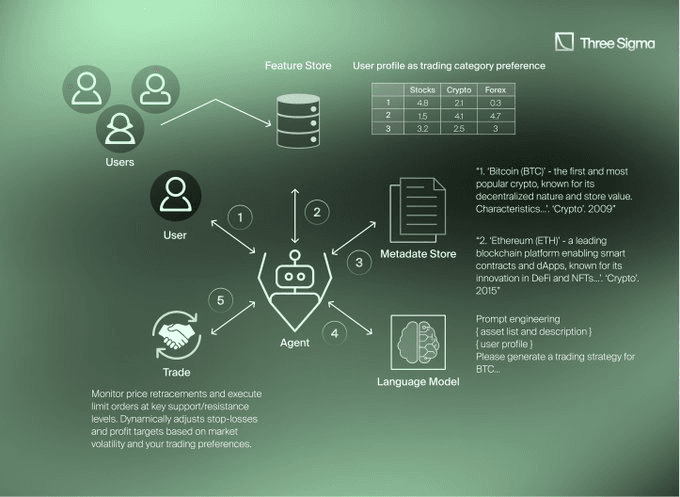
AI DeFi refers to decentralized finance protocols that integrate machine learning to automate trading, risk management, and yield optimization. An AI copilot acts as an intelligent interface, translating complex blockchain data into actionable portfolio adjustments. Instead of manually monitoring dozens of pools, you prompt an agent to analyze trends and execute trades across multiple chains.
DeFi carries inherent risks like smart contract bugs and market volatility, but AI tools can mitigate these by providing real-time anomaly detection and automated stop-losses. The "good" or "bad" label depends on your risk tolerance and technical literacy. For beginners, the learning curve is steep; for experienced traders, AI copilots offer a significant edge in speed and data processing.
Making money in DeFi typically involves yield farming, liquidity provision, or staking. AI copilots help by identifying the highest risk-adjusted returns across protocols, rebalancing your positions automatically. They do not guarantee profits, but they remove the emotional bias and time constraints that often lead to poor manual trading decisions.
Helpful gear
Use these product recommendations as a starting point, then choose the size, material, and price point that fit how you actually use the gear.
As an Amazon Associate, we may earn from qualifying purchases.
No comments yet. Be the first to share your thoughts!