Defi ai copilot limits to account for
A DeFi AI copilot acts as an autonomous agent that connects directly to your wallet and blockchain data to execute yield farming or risk management tasks. Unlike standard portfolio trackers that only display balances, these agents can sign transactions, rebalance positions, and hedge exposure based on predefined rules. The primary constraint for users is balancing automation with security, as granting an AI agent permission to move funds introduces smart contract and private key risks that do not exist in passive holding strategies.
Current tools like DeFi Pilot and DeFi CoPilot aim to simplify interaction with complex decentralized finance protocols. They allow users to monitor holdings and analyze performance without manually interacting with multiple dApps. However, the "copilot" label often implies a level of autonomy that requires careful configuration. Users must define strict guardrails for transaction limits and approved protocols to prevent unintended losses during market volatility.
The decision to use an AI copilot depends on your technical comfort and risk tolerance. For experienced users, these tools can save time by automating routine rebalancing and yield harvesting. For beginners, the complexity of managing agent permissions and understanding the underlying smart contracts can outweigh the convenience. Always start with testnet environments or small capital allocations to verify that the agent’s behavior matches your expectations before committing significant assets.
Weighing the Tradeoffs of DeFi AI Copilots
Autonomous agents promise to automate yield farming and risk management, but they introduce new layers of complexity. Before committing funds to an AI copilot, you must evaluate how these tools handle execution speed, data latency, and smart contract interaction. The shift from manual clicking to prompt-based trading offers convenience but requires strict scrutiny of the underlying infrastructure.
The following comparison breaks down the primary tradeoffs between traditional manual DeFi interactions and AI-assisted workflows. This analysis focuses on concrete factors like latency, control, and security overhead.
| Factor | Manual DeFi | AI Copilot | Risk Profile |
|---|---|---|---|
| Execution Speed | Slower (manual clicks) | Near-instant (automated) | Medium |
| Data Analysis | Limited by human attention | Real-time multi-chain | Low |
| Smart Contract Risk | User verifies every tx | Agent executes via proxy | High |
| Customization | Full control | Bounded by prompt scope | Low |
| Cost Overhead | Gas fees only | Gas + API/compute fees | Medium |
Latency and Slippage
AI copilots excel at processing vast amounts of data across multiple chains simultaneously, identifying yield opportunities faster than a human can. However, this speed comes with a tradeoff: latency in executing transactions. In volatile markets, the time between an agent's decision and its execution can result in slippage, reducing expected yields. Manual traders can react instantly to visual cues, but they often miss opportunities due to the sheer volume of data available.
Control and Security
The most significant tradeoff is the loss of direct control. When you use an AI copilot, you are delegating transaction signing to an agent or a smart contract interface. This introduces smart contract risk; if the copilot's underlying code has a vulnerability, your funds are at risk. Manual trading allows you to review every transaction before signing, providing a safety net that automated agents bypass. Always verify the security audits of any copilot service you use.
Cost Efficiency
While AI agents can optimize yield, they also introduce new costs. Beyond standard gas fees, you may face API usage fees or a percentage of profits taken by the copilot service. For small portfolios, these overheads can erode returns significantly. Manual trading, while time-intensive, incurs no service fees, making it more cost-effective for smaller capital allocations.
Decision Framework
Choose manual trading if you prioritize security, have a small portfolio, and prefer full transparency over speed. Opt for an AI copilot if you manage a large, diversified portfolio across multiple chains and need real-time data analysis that exceeds human processing capacity. Always start with a small test allocation to evaluate the copilot's performance and reliability before scaling up.
Build a Decision Framework for AI Copilots
Choosing an AI copilot for DeFi requires matching the tool’s capabilities to your specific risk tolerance and technical skill. Rather than treating these agents as generic assistants, view them as specialized instruments that automate either yield farming or risk management. The right choice depends on whether you prioritize aggressive returns or capital preservation.

Start by identifying your main goal. Are you seeking to maximize yield through complex strategies, or do you need real-time alerts to prevent liquidation? Copilots focused on yield farming often require high technical literacy to manage impermanent loss and smart contract risks. Those focused on risk management act more like safety nets, monitoring portfolio health across multiple chains. Clarifying this first prevents using a sledgehammer to crack a nut.

Evaluate how the copilot connects to your existing setup. Some tools require direct wallet integration, which increases convenience but also exposure to potential smart contract vulnerabilities. Others operate as read-only dashboards, offering analysis without the ability to execute trades automatically. Read-only integrations are safer for beginners, while automated execution tools suit experienced users who can monitor their bots closely. Check if the tool supports your primary chain, such as Ethereum or Polygon, before committing.
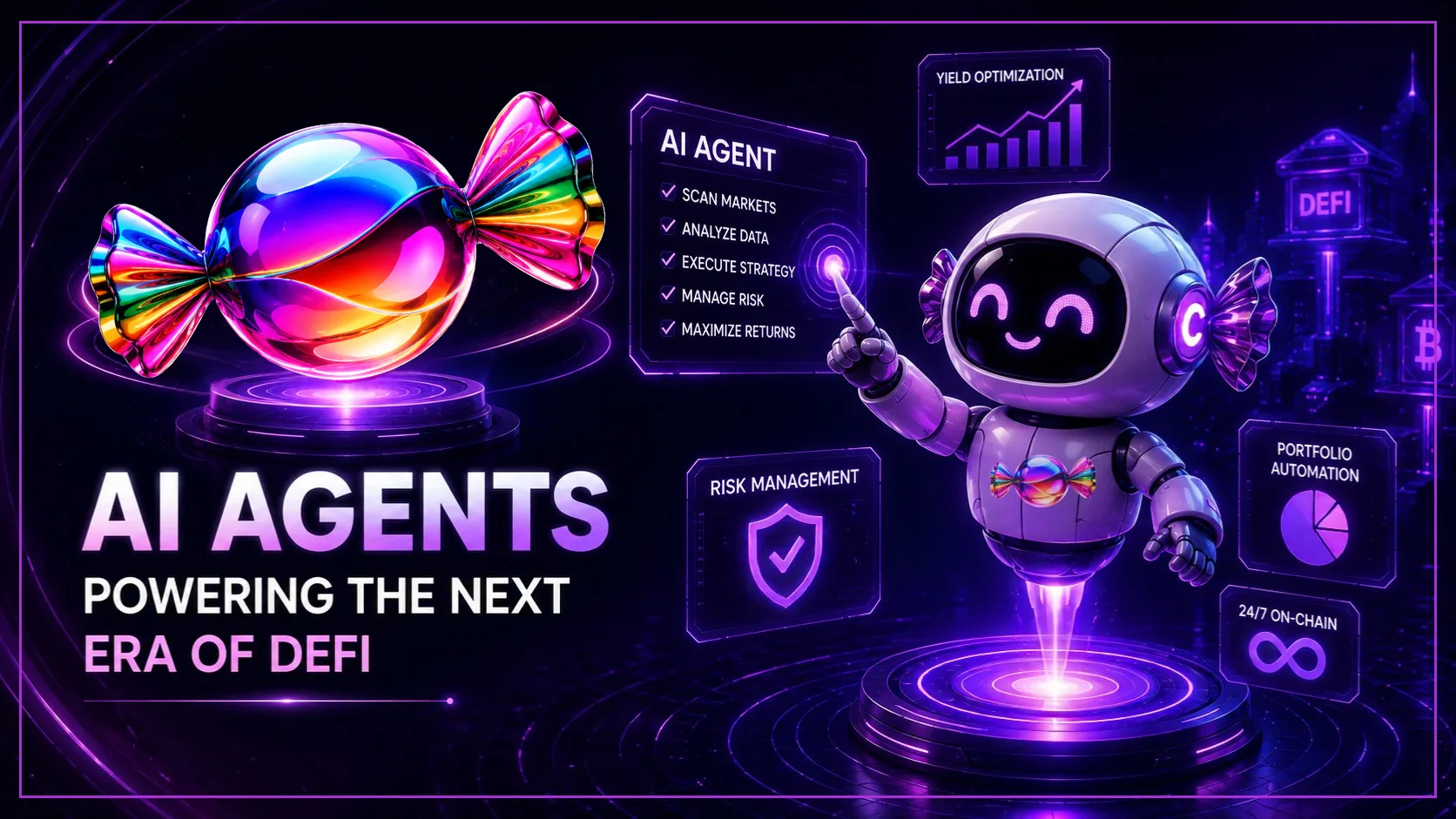
Consider the fee structure and the level of control you retain. Some copilots charge a percentage of profits, aligning their incentives with your success, while others offer flat monthly subscriptions. High-control tools allow you to set precise parameters for every trade, whereas low-control options may make decisions for you based on broad market trends. For significant capital, the ability to override or pause the AI is essential to mitigate unexpected market volatility.

Finally, audit the tool’s security credentials. Look for open-source code repositories where the community can verify the logic. Avoid tools that obscure their algorithms or request excessive permissions. Reputable projects often publish their risk assessment reports and smart contract audit results. This transparency is your last line of defense against hidden vulnerabilities or malicious code embedded in the agent’s decision-making process.
-
Define clear yield or risk goals
-
Select read-only or automated integration
-
Compare fee structures and control levels
-
Verify open-source code and audits
Spotting Weak DeFi AI Copilots
Many DeFi AI copilot platforms rely on vague marketing language rather than technical substance. Terms like "seamless portfolio tracking" or "smarter strategies" often mask generic dashboard wrappers that simply aggregate existing data without adding autonomous intelligence. These weak options fail to distinguish themselves from standard portfolio trackers by lacking true agent-based execution capabilities.
When evaluating these tools, prioritize those that explicitly detail their risk management protocols. Legitimate AI copilots should offer real-time anomaly detection and automated rebalancing based on on-chain metrics, not just historical price trends. Be wary of platforms that promise optimization without disclosing the specific algorithms or data sources driving their decisions. If the documentation avoids explaining how the AI interacts with smart contracts, it is likely a superficial interface rather than a genuine autonomous agent.
Defi ai copilot: what to check next
Autonomous agents are changing how you interact with decentralized finance, but they also introduce new layers of complexity and risk. Before integrating these tools into your workflow, it helps to understand the technical distinctions and regulatory realities.
No comments yet. Be the first to share your thoughts!