What is a DeFi AI copilot?
A DeFi AI copilot is an automated agent that executes trading strategies on decentralized exchanges based on natural language prompts or predefined rules. Instead of manually navigating complex interfaces to swap tokens, provide liquidity, or stake assets, you describe your intent—such as "sell 10% of my ETH if Bitcoin drops below $60,000"—and the agent handles the transaction execution. This shift moves the user from being a clicker to being a strategist, reducing the time spent on routine operations and minimizing emotional decision-making.
The technology relies on large language models connected to blockchain wallets and smart contract interfaces. These agents interpret your instructions, check current market conditions, and submit transactions on your behalf. While this offers speed and convenience, it introduces new risks. You are delegating control of your private keys or wallet permissions to an automated system. A misconfigured prompt or a buggy agent can lead to unintended trades, slippage losses, or security vulnerabilities if the agent’s code is compromised. Understanding this trade-off between convenience and control is essential before integrating any AI tool into your DeFi workflow.
| Feature | Manual Trading | AI Copilot |
|---|---|---|
| Accessibility | High | Medium |
Which AI is best for crypto trading?
There is no single "best" AI for all crypto tasks, as the landscape is fragmented into specialized tools. Some copilots focus on portfolio tracking and analytics, while others are built specifically for executing trades on decentralized exchanges like Uniswap or PancakeSwap. When evaluating options, look for agents that offer transparency in their execution logic and allow you to set strict safety limits, such as maximum slippage or transaction caps. Avoid tools that require full, unlimited approval of your tokens, as this is a common vector for exploits.
Many top-rated copilots are still in early stages, with varying levels of security audits and community trust. It is crucial to start with small amounts and test the agent’s behavior in a sandbox or testnet environment if available. The most reliable tools are those that integrate directly with reputable DeFi protocols and provide clear logs of every action taken. As the space matures, expect more standardized frameworks for AI-agent security, but for now, due diligence on the specific tool you choose is non-negotiable.
Defi ai copilot choices that change the plan
Switching from manual trading to an AI copilot introduces specific operational risks that go beyond simple market volatility. Before committing capital, you must evaluate how these tools handle execution speed, cost efficiency, and security boundaries. The following comparison breaks down the concrete factors that determine whether a copilot fits your strategy.
| Factor | Execution Speed | Cost Structure | Security Model | Best For |
|---|---|---|---|---|
| Latency | Sub-second L2 execution | Gas + API fees | Read-only or limited write | Arbitrage and high-frequency trading |
| Complexity | Manual multi-step clicks | Gas only | Full private key control | Learning protocol mechanics |
| Automation | Real-time monitoring | Subscription or per-decision | Smart contract allowances | Rebalancing and yield farming |
Speed is the primary advantage of automation. AI agents operating on Layer 2 networks can execute trades in sub-second intervals, capturing fleeting arbitrage opportunities that manual traders miss. However, this speed comes with a cost: you pay both gas fees and the copilot’s API or subscription fees. Manual trading avoids the subscription layer but requires constant screen time, which is often unsustainable for active strategies.
Security models vary significantly across the ecosystem. Traditional tools require you to hand over private keys, a high-risk practice. Modern copilots, such as those built on Stellar’s x402 protocol, use per-decision payment models where agents pay for intelligence without holding your funds. Others operate with read-only access or limited smart contract allowances, reducing the blast radius if a bug is exploited. Always verify the permission level before connecting your wallet.
For most users, the tradeoff centers on automation versus control. If your strategy involves complex rebalancing or constant yield farming, the time saved by an AI agent often outweighs the subscription costs. If you are learning DeFi mechanics or trading low-frequency assets, manual execution provides better educational value and lower overhead.
Choose the next step
Manual trading is too slow for today’s volatility. You need a system that monitors liquidity, executes trades, and manages risk without constant screen staring. The following framework turns that goal into a practical decision path.
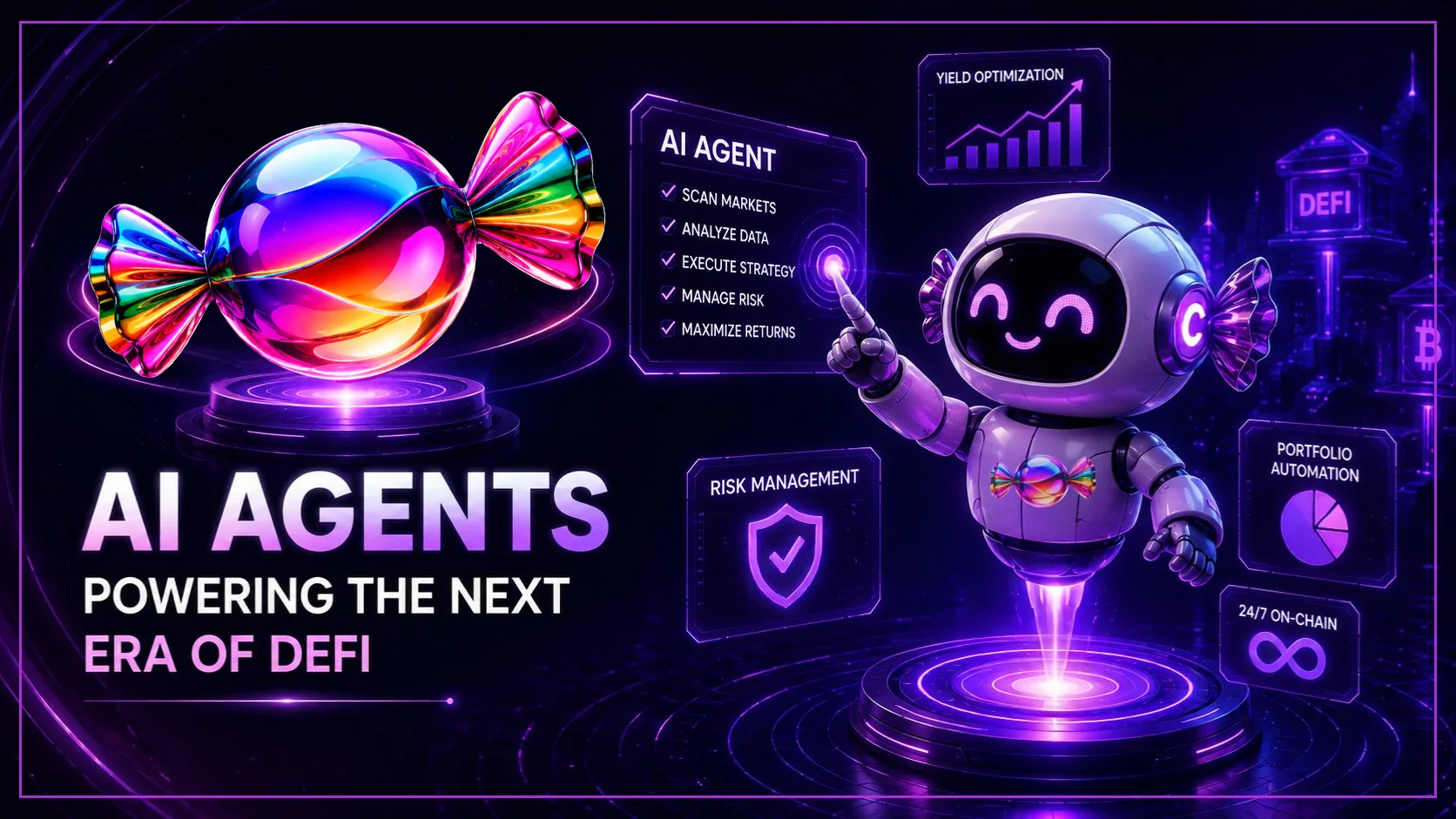
Start by specifying which markets your copilot will access. Will it trade only major pairs on Ethereum, or does it need to navigate cross-chain bridges and obscure altcoins? Narrowing the scope reduces technical debt and limits exposure to low-liquidity traps. A focused scope allows for tighter risk parameters and more reliable performance metrics.
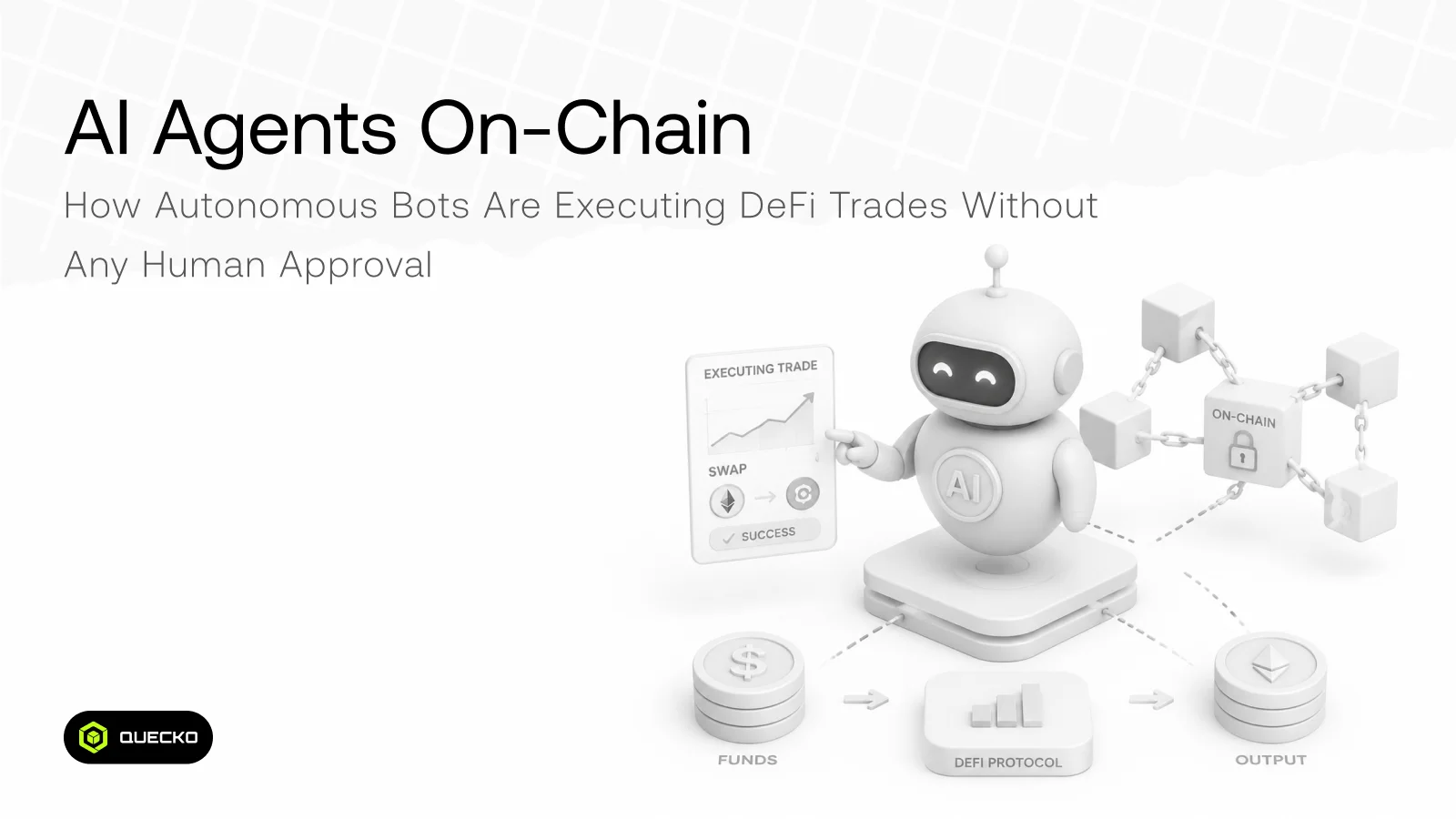
Not all AI agents are built the same. Look for platforms like Defi Pilot that offer portfolio tracking alongside execution capabilities. Ensure the tool provides granular permission settings. You should be able to restrict the AI to read-only access for analysis or grant it specific trade limits without giving it control over your entire treasury.
Before connecting your wallet, define the maximum loss per trade and the total daily exposure. AI models can hallucinate or misinterpret market signals; hard-coded stop-losses and position limits act as a circuit breaker. This step transforms the AI from an autonomous actor into a supervised assistant, preserving your capital during unexpected market swings.
Run your chosen strategy against historical data from the last three months. Verify that the AI’s logic holds up during periods of high volatility and low liquidity. If the backtest shows excessive slippage or failed transactions, adjust the parameters before going live. This proof check ensures your copilot is ready for the 2026 market landscape.
Spot Weak DeFi Copilot Options
Not every AI assistant is ready to handle your funds. Many tools market themselves as "copilots" while offering little more than basic portfolio tracking or generic market news. Before connecting a wallet, you need to filter out these weak options that could lead to errors or unnecessary exposure.
Vague "Smart Strategy" Claims
Many platforms promise "smarter DeFi strategies" without explaining the underlying logic. If a tool cannot clearly define how it selects yields or manages risk, treat it as a black box. True copilots provide transparent reasoning for every trade, not just abstract promises of performance. Look for tools that break down their decision-making process rather than hiding it behind buzzwords.
Missing Risk Controls
A functional AI copilot must include hard safety limits. Weak options often lack configurable stop-losses or maximum slippage tolerances. Without these controls, an AI agent might execute a trade that drains your funds during a volatility spike. Ensure the platform allows you to set strict boundaries that the AI cannot override, keeping you in control of your capital.
Lack of Audit Trails
Reliable tools maintain a clear log of every action taken on-chain. If you cannot trace why a specific swap or liquidity provision occurred, the tool is not a copilot but a gamble. Verify that the platform provides detailed transaction histories and post-trade analysis. This audit trail is essential for debugging errors and understanding whether the AI’s logic aligns with your investment goals.
Defi ai copilot: what to check next
Before switching to AI-driven trading, it helps to clear up common misconceptions about legality, functionality, and profitability.
No comments yet. Be the first to share your thoughts!